Home Blogs Stem Cell Therapy for Stroke Recovery

Stem Cell Therapy for Stroke Recovery

Stem Cell Therapy for Stroke Recovery

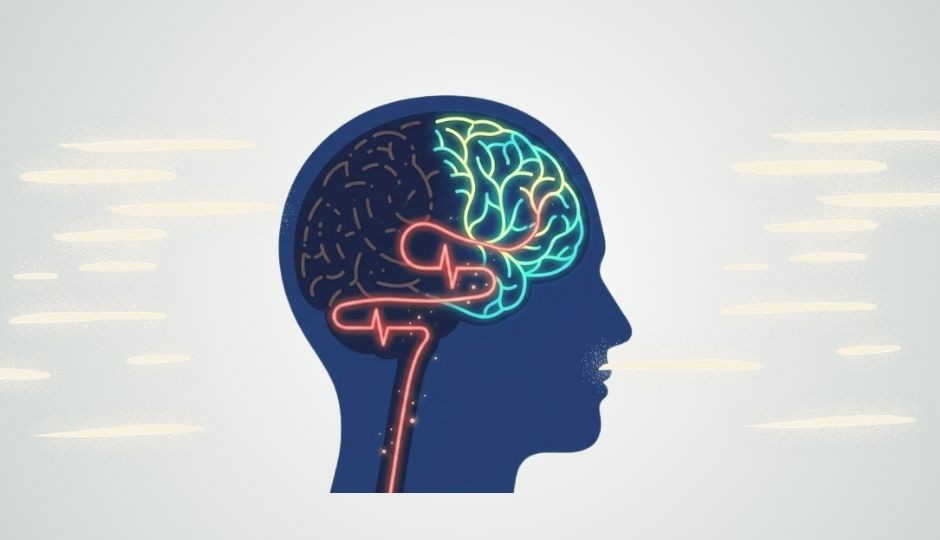
A stroke is one of the most life-altering medical events a person can experience. Every year, millions of people around the world survive a stroke only to face profound challenges like paralysis, speech difficulties, cognitive impairment, and a dramatically reduced quality of life. Despite advances in emergency care, the neurological damage caused by stroke has traditionally been considered largely irreversible.

At GS Medical Services in Dubai, operating through global clinical expertise, we offer a different perspective. Drawing on the latest developments in regenerative medicine, our team provides access to mesenchymal stem cell (MSC) therapy as part of a comprehensive, personalised approach to post-stroke rehabilitation and neurological recovery.

We serve patients from across the UAE, the wider Gulf region, and internationally, with the clinical excellence of German biological medicine.

Understanding Stroke and Its Long-Term Impact

A stroke occurs when the blood supply to part of the brain is suddenly interrupted, either due to a blocked artery (ischaemic stroke) or a ruptured blood vessel (haemorrhagic stroke). Within minutes, brain cells begin to die due to a lack of oxygen, resulting in damage that can affect movement, speech, memory, and a wide range of other neurological functions.

The extent of long-term impairment depends on which area of the brain is affected and how quickly medical care is received. Common long-term consequences of stroke include:

  • Hemiplegia or hemiparesis - partial or complete paralysis on one side of the body
  • Aphasia - difficulty speaking, understanding language, reading, or writing
  • Cognitive impairment - memory loss, reduced attention span, difficulty with problem-solving
  • Dysphagia - difficulty swallowing, which can lead to aspiration and nutritional challenges
  • Spasticity - muscle stiffness and involuntary contractions
  • Fatigue and emotional changes - including post-stroke depression and anxiety
  • Balance and coordination problems - increasing the risk of falls

These challenges can significantly limit independence and participation in daily life, placing a substantial burden on patients and their families. Whilst conventional rehabilitation can help patients regain some function, recovery often plateaus, leaving many individuals with permanent disability.
 

Standard Treatment Options for Stroke Rehabilitation

Standard post-stroke care typically includes physiotherapy, occupational therapy, speech and language therapy, and psychological support. These approaches are important and form the foundation of recovery, but they carry inherent limitations:

Treatment

Limitation

Physiotherapy & Occupational Therapy

Helps retrain existing neural pathways but does not regenerate damaged brain tissue

Medication (e.g. antispastics, antidepressants)

Manages symptoms but does not address the underlying neurological damage

Speech Therapy

Supports communication recovery, but progress often plateaus over time

Conventional Rehabilitation

Recovery typically slows significantly after the first 6 months post-stroke

This gap, the failure of conventional approaches to regenerate damaged neural tissue, has driven significant scientific interest in stem cell-based therapies for stroke recovery.


How Stem Cell Therapy Works in Stroke Recovery?

Stem cell therapy represents a fundamentally different approach, one that aims to support the brain's own repair mechanisms rather than simply managing symptoms. This regenerative medicine technique is being actively researched for its potential to address the underlying neurological damage caused by stroke.

The Science Behind Mesenchymal Stem Cells (MSCs)

GS Medical Services organises treatment at specialised clinics in Germany that utilise mesenchymal stem cells (MSCs), known for their regenerative properties. Unlike other cell types, MSCs possess the ability to:

  • Modulate inflammatory responses in the damaged brain environment
  • Secrete neuroprotective growth factors that may support surviving neurons
  • Stimulate angiogenesis, the formation of new blood vessels, to improve circulation in affected brain regions
  • Potentially promotes neuroplasticity, the brain's capacity to reorganise and form new neural connections
  • Reduce secondary damage caused by chronic inflammation following stroke

Potential Mechanisms of Action in Stroke

Research into MSC therapy for stroke suggests several key mechanisms through which these cells may contribute to neurological recovery:

  • Neuroprotection: MSCs secrete bioactive molecules that may protect surviving brain cells from ongoing damage and reduce cell death in the penumbra, the area surrounding the stroke injury
  • Paracrine signalling: Rather than simply replacing lost cells, MSCs appear to act through signalling molecules that influence the local cellular environment, promoting healing and reducing inflammation
  • Immunomodulation: MSCs can dampen the overactive immune response that frequently follows stroke, reducing secondary neurological damage
  • Axonal regeneration support: Emerging evidence suggests MSCs may promote the regrowth of nerve fibres, potentially restoring disrupted neural connections
  • Functional reorganisation: By creating a more conducive environment for brain recovery, MSC therapy may support neuroplasticity, the brain's natural capacity to form new pathways

Important: Stem cell therapy for stroke is not a guaranteed cure. Outcomes vary considerably between individuals and depend on multiple factors, including stroke severity, time since stroke, overall health, and individual biological response. GS Medical Services is committed to find the best solution based on patient condition.

What to Expect During Stem Cell Therapy Treatment in Germany?

A comprehensive cellular therapy programme is designed specifically for international and regional patients seeking personalised, high-standard neurological care. Every step of your journey is carefully coordinated by a dedicated team.

Step 1: Comprehensive Medical Review and Eligibility Assessment

Your journey begins with a thorough evaluation to determine whether stem cell therapy is appropriate for your specific neurological condition:

  • Comprehensive neurological history and functional assessment
  • In-depth consultation with the medical team
  • Honest, transparent assessment of whether you are a suitable candidate for cellular therapy
  • Review of previous rehabilitation history and response to treatment

Step 2: Personalised Treatment Planning

If deemed a suitable candidate, a fully individualised treatment protocol is developed based on your unique circumstances:

  • Customised protocol based on stroke type, affected brain regions, degree of functional impairment, and overall health status
  • Clear explanation of the procedure, expected timeline, and realistic outcome expectations
  • Transparent discussion of potential benefits, risks, and alternative options
  • Comprehensive logistics support, including travel arrangements and accommodation guidance for international patients

Step 3: Cellular Therapy Procedure

The stem cell treatment is conducted by experienced, licensed physicians in a clinical environment meeting international medical standards:

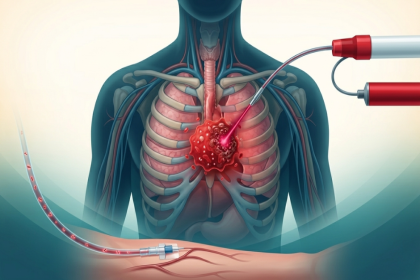
  • Minimally invasive procedure - typically administered intravenously (IV) or via intrathecal injection, depending on the individual treatment protocol
  • Outpatient basis - Patients can return to their accommodation the same day
  • Sterile clinical environment with full infection control protocols
  • Physician-supervised throughout, with immediate post-treatment monitoring
  • Local anaesthesia or sedation where required to minimise discomfort

The procedure typically takes 2–4 hours, including preparation and post-procedure observation.

Step 4: Structured Follow-Up and Progress Monitoring

Your care extends well beyond the treatment procedure itself:

  • Remote support via secure telemedicine platforms - eliminating the need for repeated international travel
  • Progress evaluation using validated neurological outcome measures to objectively track improvements
  • Personalised rehabilitation guidance, including physiotherapy and occupational therapy recommendations to complement the cellular therapy
  • Long-term monitoring to assess the durability and progression of treatment benefits

The team remains accessible throughout your recovery, ready to address any questions or concerns as they arise.

Who May Be a Suitable Candidate for Stem Cell Therapy After Stroke?

Stem cell therapy is not appropriate for every stroke survivor. Based on current clinical evidence and our experience, individuals who may benefit most typically share the following characteristics:

  • Confirmed ischaemic or haemorrhagic stroke with residual neurological deficits, including motor weakness, speech impairment, cognitive changes, or spasticity
  • Stroke occurring at least 3-6 months prior (subacute to chronic phase) - the inflammatory environment stabilises over time, which may improve response to therapy
  • Persistent disability despite a period of conventional rehabilitation
  • Individuals seeking to enhance recovery beyond the plateau reached with standard physiotherapy or occupational therapy
  • Generally good overall health without significant active medical conditions that could complicate treatment
  • Patients who wish to avoid or reduce reliance on long-term medications
  • Realistic expectations and a clear understanding that outcomes vary between individuals
  • Commitment to ongoing rehabilitation alongside and following cellular therapy

Patients in the subacute to chronic phase of stroke recovery (6 months to several years post-stroke) are often among those considered for stem cell therapy, as ongoing neuroplasticity may still be supported at this stage.

Potential Benefits of Stem Cell Therapy for Stroke Recovery

Based on current clinical research and emerging patient outcomes, stem cell therapy for stroke may offer several potential benefits. It is essential to understand that outcomes are not guaranteed and vary considerably between individuals.

  • Neurological improvement: Some patients report improved motor function, coordination, and limb strength following treatment
  • Enhanced speech and communication: Patients with aphasia may experience improvements in language production and comprehension
  • Reduced spasticity: Decreased muscle stiffness and improved range of motion in affected limbs
  • Cognitive gains: Some individuals note improvements in memory, attention, and executive function
  • Improved independence: Enhanced ability to perform activities of daily living, reducing the level of care required
  • Emotional wellbeing: Improvements in mood and reduction in post-stroke depression, associated with greater functional capacity
  • Potential to slow further neurological decline: MSC therapy may help protect remaining healthy brain tissue from ongoing damage

Research published in peer-reviewed medical journals has demonstrated statistically significant improvements in neurological function, activities of daily living, and patient-reported quality of life following mesenchymal stem cell therapy in stroke patients. However, the magnitude and durability of benefit vary, and the field continues to evolve.

Potential Side Effects of Stem Cell Therapy for Stroke Recovery

As with any medical procedure, there are potential risks associated with stem cell therapy that will be discussed in detail during your personalised consultation.

Common side effects (typically mild and temporary):

  • Temporary fatigue or mild headache following treatment
  • Low-grade fever for 24-48 hours post-procedure
  • Mild injection site discomfort or bruising
  • Temporary increase in neurological symptoms during the first 1-2 weeks, this usually resolves on its own

Rare but serious complications:

  • Infection at the injection or administration site - rare when appropriate clinical protocols are followed
  • Allergic reaction to procedure components
  • Thromboembolic events in very rare cases - carefully screened for during the pre-treatment assessment

Serious complications are rare when the procedure is performed by experienced practitioners in appropriate clinical settings. All patients receive comprehensive pre-procedure screening and post-procedure monitoring to minimise risk.

Post-Treatment Guidance: All patients receive comprehensive post-treatment instructions including activity recommendations, guidance on resuming rehabilitation therapies, warning signs requiring immediate attention, and strategies to optimise the cellular therapy's effectiveness through lifestyle and rehabilitation.

Why Choose GS Medical Services for Stem Cell Therapy?

When exploring stem cell therapy for stroke recovery, selecting a trusted medical coordination partner can make a meaningful difference in your treatment journey.


German Clinical Excellence

Treatments are guided by the clinical protocols and evidence-based standards established at Europe's leading centres for integrative and biological medicine.

Compassionate & Expert Care

Our physicians and coordinators combine clinical expertise with genuine dedication to patient well-being, ensuring you feel informed and supported at every stage.

Personalised Treatment Plans

No two stroke patients are the same. We develop fully tailored treatment protocols based on your individual neurological profile, recovery history, and personal goals.

International Patient Support

Dedicated coordination for patients travelling from across the UAE, Gulf region, and internationally, including appointment management, documentation, and travel logistics.

Transparency & Honest Guidance

We provide clear, realistic information about expected outcomes, candidacy criteria, and potential risks. We never overstate results.

Continuity of Care

Through secure telemedicine, your relationship with our medical team continues long after you leave Dubai, with structured follow-up, monitoring, and ongoing guidance.

Request a Personalised Stem Cell Assessment for Stroke Recovery

If you or a loved one is living with the effects of stroke and considering stem cell therapy, the first step is a comprehensive medical evaluation to determine whether this regenerative treatment is appropriate for your specific situation. You may consult Dr. Med. Gerhard Siebenhüner for an expert assessment and personalised treatment guidance.

Your initial consultation will include:

  • Confidential review of your medical records, and rehabilitation history
  • Honest assessment of whether you are a suitable candidate for cellular therapy
  • Realistic discussion of potential benefits, risks, and expected outcomes specific to your case
  • Clear explanation of the treatment process, timeline, and logistics
  • Transparent pricing information with no hidden costs
  • Opportunity to ask questions and address any concerns

There is no obligation to proceed with treatment following your consultation. Our goal is to provide you with the information and support needed to make an informed decision about your neurological health and recovery journey.

Frequently Asked Questions

How long does the stem cell therapy procedure for stroke take? 

The procedure typically takes 2-4 hours, depending on the administration method. Plan to spend around 4-6 hours at the clinic on the day of treatment, including preparation and post-procedure monitoring. Most patients return to their accommodation the same day.

How soon can I resume normal activities after stem cell therapy for stroke? 

Most patients can resume light daily activities within 2–3 days of treatment. Strenuous physical activity should be avoided for 4–6 weeks. Rehabilitation therapies such as physiotherapy are typically encouraged from early in the recovery phase to maximise treatment outcomes.

Is stem cell therapy for stroke painful? 

The procedure involves an injection or intravenous infusion, which may cause mild to moderate discomfort. Local anaesthesia or sedation is used where appropriate. Temporary fatigue or a mild headache in the first 24–48 hours is common and typically manageable.

How many stem cell therapy sessions are required for stroke recovery? 

Treatment is tailored to the individual. Some patients require a single session, whilst others may benefit from multiple sessions over a period of months, depending on stroke severity, the degree of neurological impairment, and the individual's biological response. Your treatment plan will be reviewed and adjusted based on your progress.

How much does stem cell therapy for stroke cost? 

Costs vary depending on your individual treatment plan, the number of sessions required, and the method of administration. Detailed, transparent pricing is provided following your medical assessment. All pricing includes evaluation, the procedure itself, and follow-up care.

Can stem cell therapy help stroke patients years after the original event? 

Yes, patients in the chronic phase of stroke recovery (years post-stroke) may still be considered for stem cell therapy, as neuroplasticity, the brain's ability to form new connections, continues beyond the immediate recovery window. Eligibility is assessed on an individual basis during your medical consultation.

How is stem cell therapy for stroke regulated in the Germany? 

In Germany, stem cell therapies are strictly regulated and must comply with national medical and safety standards. Treatment is performed in licensed clinical settings under qualified physician supervision following individual medical evaluation.

Medical Disclaimer

The information provided on this page is for educational and informational purposes only and should not be construed as medical advice. Stem cell therapy outcomes vary considerably between individuals, and treatment may not be suitable for everyone. Always consult a qualified medical professional before making decisions about your health.