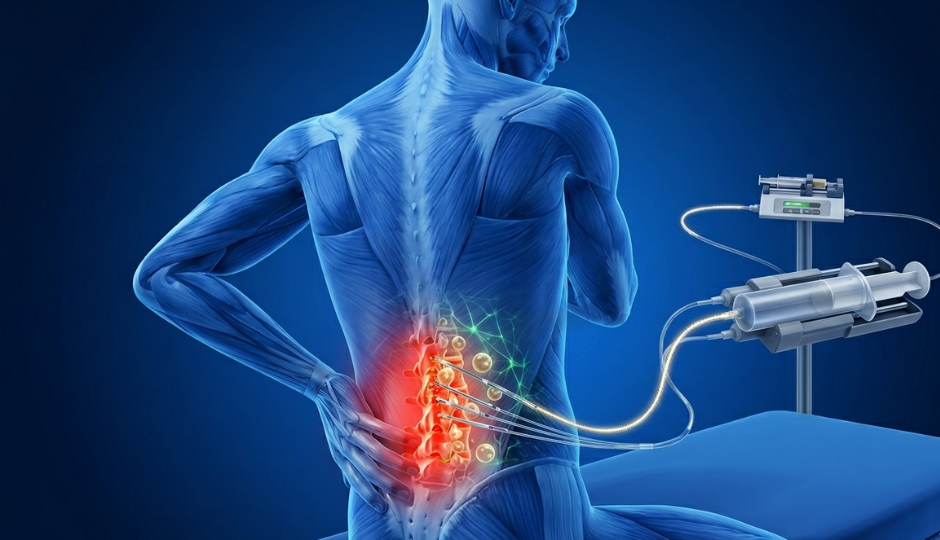
Home Blogs Stem Cell Therapy for Spinal Cord Injuries

Stem Cell Therapy for Spinal Cord Injuries

Stem Cell Therapy for Spinal Cord Injuries

A spinal cord injury changes everything in an instant. One moment, the body works. Next, the signals between the brain and everything below the injury site are partially or completely interrupted, and life as it was known is altered in ways that take months, sometimes years, to fully understand. The medical system responds quickly in the acute phase. After that, the message most patients receive is one of management rather than recovery. Adapt. Rehabilitate what remains. Accept what has been lost.

That gap, between what acute medicine can do and what patients are told is possible, is where regenerative approaches become relevant. MSC therapy does not repair a severed spinal cord. It addresses the biological environment that determines how much function can be recovered, reducing the secondary damage that continues after the initial injury, supporting neural repair processes, and creating conditions in which the nervous system can reorganise more effectively.  

At GS Medical Services in Dubai, we coordinate access to mesenchymal stem cell (MSC) therapy for patients with spinal cord injuries through specialist clinics in Germany. We manage every aspect of the referral, coordination, logistics, and follow-up process, so that patients from the UAE, the Gulf region, and internationally can access this approach with proper clinical support.

Understanding Spinal Cord Injuries and Their Long-Term Impact

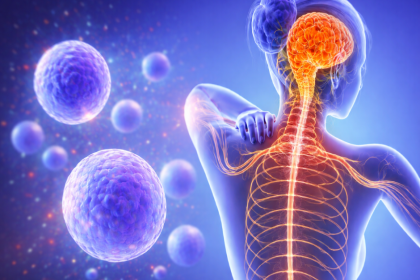
The spinal cord is the main communication pathway between the brain and the rest of the body. When it is damaged by trauma, compression, or vascular injury, the signals that control movement, sensation, and autonomic function are disrupted at the injury site and below.

Spinal cord injuries are classified by the American Spinal Injury Association (ASIA) scale from A to E, ranging from complete injury with no motor or sensory function below the level of injury to incomplete injuries where partial function is preserved. The distinction between complete and incomplete injuries matters clinically; incomplete injuries carry a better prognosis for recovery, including with regenerative approaches.

The long-term consequences of spinal cord injury depend on the level and completeness of the injury, but commonly include:

  • Paralysis or paresis: Complete or partial loss of voluntary movement below the level of injury, affecting limbs, trunk, and fine motor function depending on the injury level
  • Sensory loss: Reduced or absent sensation of touch, temperature, pain, and proprioception below the injury site
  • Bladder and bowel dysfunction: Loss of voluntary control, requiring management strategies that significantly affect daily life
  • Spasticity: involuntary muscle stiffness and spasms below the injury level, often painful and limiting to function
  • Chronic neuropathic pain: Persistent burning, stabbing, or pressure pain generated by damaged neural circuits, present in a significant proportion of SCI patients
  • Respiratory complications: In cervical and high thoracic injuries, impaired breathing muscle function requires ventilatory support
  • Autonomic dysreflexia: Dangerous episodes of uncontrolled blood pressure in injuries above T6, triggered by stimuli below the injury level
  • Psychological impact: Depression, anxiety, and adjustment difficulties are common and compound the physical challenges of living with SCI

Secondary injury, the ongoing biological damage that occurs in the hours, days, and weeks after the initial trauma, is a critical concept in SCI management. Inflammation, oxidative stress, excitotoxicity, and cell death in the surrounding tissue persist long after the injury, and this secondary cascade is responsible for a significant proportion of the final neurological deficit.

Standard Treatment Options for Spinal Cord Injury and Their Limitations

Standard SCI care focuses on stabilisation, prevention of secondary complications, and rehabilitation. These approaches are essential and form the foundation of SCI management, but they carry well-recognised limitations.

Treatment

Limitation

Acute surgical stabilisation

Addresses structural compression; does not repair neural tissue or reverse neurological deficit

Corticosteroids (methylprednisolone)

Limited evidence for neuroprotection in acute SCI; significant side effect profile limits routine use

Physiotherapy and rehabilitation

Retrains existing neural pathways and builds compensatory function; cannot regenerate damaged spinal cord tissue

Spasticity management (antispastics, Botox)

Manages symptoms; does not address the underlying neural dysfunction

Neuropathic pain management

Provides partial relief for many patients; it does not resolve the neural injury driving the pain

Assistive technology and equipment

Improves function and independence; does not modify the underlying neurological condition

The fundamental limitation: The critical gap is the absence of any standard treatment that addresses the secondary injury cascade, supports neural repair, or promotes the reorganisation of surviving neural circuits. That is the biological space where MSC therapy operates.

How Does Stem Cell Therapy Work for Spinal Cord Injuries?

Stem cell therapy for spinal cord injury is not about regrowing a severed cord. That framing creates expectations that are neither realistic nor scientifically accurate. MSC works by modifying the biological environment at and around the injury site, reducing ongoing damage, and supporting the processes through which the nervous system can reorganise and recover partial function.

The Science Behind Mesenchymal Stem Cells (MSCs)

GS Medical Services coordinates treatment at specialist clinics in Germany that use mesenchymal stem cells derived from ethically sourced donors. In the context of spinal cord injury, MSCs have been shown to:

  • Secrete neuroprotective growth factors that support the survival of neurons threatened by secondary injury processes
  • Reduce the inflammatory cascade that drives secondary neural damage following the initial trauma. This is one of the most significant mechanisms, given how much of the final neurological deficit is attributable to secondary rather than primary injury
  • Promote axonal sprouting, the regrowth of nerve fibre extensions that form new connections, which underlie some of the functional recovery seen in incomplete SCI patients
  • Differentiate into glial-like supporting cells that may help bridge areas of injury and support signal transmission
  • Reduce glial scar formation, the dense scar tissue that forms at the injury site and acts as a physical barrier to neural regeneration
  • Support remyelination, the restoration of the myelin sheath around nerve fibres, which is essential for effective signal conduction
  • Modulate the immune response at the injury site, shifting it from a destructive inflammatory state toward a more reparative one

Potential Mechanisms of Action of Stem Cell Therapy in Spinal Cord Injury

  • Neuroprotection: In the days and weeks following SCI, a wave of secondary damage, driven by inflammation, glutamate excitotoxicity, and oxidative stress, destroys neurons and glial cells that survived the initial trauma. MSCs secrete bioactive molecules that interrupt this cascade, protecting surviving neural tissue from further loss
  • Axonal regeneration support: BDNF and NT-3 secreted by MSCs have well-established roles in promoting axonal growth and the formation of new neural connections. In incomplete SCI, where some axons remain intact, supporting their sprouting and reconnection can translate to meaningful functional improvement
  • Glial scar modulation: The glial scar that forms after SCI is a double-edged structure; it contains the injury but also blocks regeneration. MSCs appear to influence the composition and density of the glial scar, potentially making it less inhibitory to axonal growth
  • Immunomodulation: SCI triggers a prolonged and damaging inflammatory response. MSCs shift the balance of immune activity at the injury site away from destructive M1 macrophage activity toward reparative M2 activity, a distinction that has significant implications for tissue preservation and recovery
  • Remyelination support: Demyelination, loss of the protective sheath around nerve fibres, is a major contributor to impaired signal conduction in SCI. MSC-derived signals promote oligodendrocyte activity and remyelination, which can improve the quality and speed of signal transmission along surviving neural pathways

Important: Stem cell therapy for spinal cord injury is not a cure. It does not restore complete function in patients with complete injuries, and outcomes vary considerably depending on injury level, completeness, time since injury, and individual biological response. GS Medical Services is committed to providing an honest assessment of what this treatment may and may not offer each patient.

What to Expect During Stem Cell Therapy Treatment in Germany?

A structured cellular therapy programme is designed specifically for international and regional patients. Every step is coordinated by a dedicated team.

Step 1: Comprehensive Medical Review and Eligibility Assessment

Your journey begins with a thorough evaluation to determine whether stem cell therapy is appropriate:

  • Full review of injury history, ASIA classification, neurological level, imaging findings, and current functional status
  • Assessment of secondary complications, including spasticity, neuropathic pain, and autonomic function, that may be relevant to treatment planning
  • In-depth consultation with the medical team
  • Honest assessment of whether you are a suitable candidate, including a direct answer if the evidence does not support treatment in your case

Step 2: Personalised Treatment Planning

If assessed as a suitable candidate, a fully individualised protocol is developed:

  • Protocol tailored to injury level, completeness, time since injury, overall health, and functional goals
  • Clear explanation of the procedure, expected timeline, and realistic outcome expectations, including what improvement may look like for your specific injury profile
  • Transparent discussion of potential benefits, risks, and how MSC therapy fits alongside your existing rehabilitation
  • Comprehensive logistics support, including travel arrangements and accommodation guidance for international patients

Step 3: Cellular Therapy Procedure

Treatment is conducted by experienced, licensed physicians in a clinical environment meeting international medical standards:

  • Minimally invasive procedure, administered via intrathecal injection (directly into the cerebrospinal fluid around the spinal cord) or intravenously, or a combination of both, depending on the individual protocol
  • Outpatient or short inpatient basis, depending on the administration method
  • Sterile clinical environment with full infection control protocols
  • Physician-supervised throughout, with immediate post-treatment monitoring
  • Local anaesthesia or sedation is used where required to minimise discomfort

The procedure typically takes 2-4 hours, including preparation and post-procedure observation.

Step 4: Structured Follow-Up and Progress Monitoring

Your care extends well beyond the treatment procedure:

  • Remote follow-up via secure telemedicine, no need to return to Germany for routine reviews
  • Progress evaluation using validated neurological outcome measures, including ASIA classification reassessment, motor and sensory scoring, and patient-reported functional outcomes
  • Personalised rehabilitation guidance, including physiotherapy and occupational therapy recommendations to complement and build on the cellular therapy
  • Long-term monitoring to assess the durability and progression of any treatment benefit
  • Direct access to the medical team throughout, for questions or concerns as they arise

Who May Be a Suitable Candidate for Stem Cell Therapy for Spinal Cord Injuries?

Stem cell therapy is not appropriate for every spinal cord injury patient. Those most likely to benefit typically share the following profile:

  • Confirmed spinal cord injury, traumatic or non-traumatic, with residual neurological deficit
  • Incomplete SCI (ASIA B, C, or D); patients with some preserved motor or sensory function below the injury level tend to show the strongest responses, as there are surviving neural pathways that MSC therapy can support
  • Complete SCI (ASIA A); some patients in this group may benefit, particularly in terms of secondary complications such as spasticity, neuropathic pain, and autonomic function, even where motor recovery is unlikely
  • Injury occurring at least 3-6 months prior; the acute inflammatory phase has settled, creating a more stable biological environment in which regenerative therapy is more likely to be effective
  • Persistent neurological deficit despite a period of active rehabilitation
  • Generally adequate overall health without significant active conditions that would increase procedural risk
  • Realistic expectations and a clear understanding that outcomes depend heavily on injury severity and completeness
  • Commitment to continuing active rehabilitation alongside and following cellular therapy

Patients in both the subacute (3-12 months post-injury) and chronic phases (more than 12 months post-injury) are assessed individually. Earlier intervention generally offers better prospects, but chronic SCI patients have shown meaningful responses in clinical studies.

Potential Benefits of Stem Cell Therapy for Spinal Cord Injuries

Based on current clinical research and emerging patient outcomes, MSC therapy for spinal cord injury may offer the following benefits. Outcomes are not guaranteed and vary considerably between individuals.

  • Improved motor function: Some patients with incomplete SCI report improvements in voluntary movement, strength, and coordination in muscles below the injury level following treatment
  • Enhanced sensory recovery: Partial restoration of sensation, including light touch, temperature, and proprioception, in areas below the injury level is reported in some incomplete SCI patients
  • Reduced spasticity: Improvements in the frequency and severity of involuntary muscle spasms and stiffness, with associated improvements in comfort and function
  • Reduced neuropathic pain: Some patients report meaningful reductions in chronic pain following treatment, associated with the neuroprotective and anti-inflammatory mechanisms of MSC therapy
  • Improved bladder and bowel function: Partial improvements in voluntary control or awareness are reported in some patients, reducing the management burden of these complications
  • Better autonomic function: Some patients report improvements in temperature regulation, sweating, and cardiovascular stability below the injury level
  • Improved quality of life: Broader functional improvements, better sleep, reduced pain, greater independence in daily activities, alongside specific neurological gains

Research published in peer-reviewed medical journals has reported statistically significant improvements in ASIA classification, motor scores, and patient-reported outcomes following MSC therapy in spinal cord injury patients. The magnitude and durability of benefit vary, and the field continues to evolve. GS Medical Services works with clinics that adhere to evidence-informed treatment protocols.

Potential Side Effects of Stem Cell Therapy for Spinal Cord Injuries

Stem cell therapy has a well-documented safety record when performed correctly in appropriate clinical settings. Like any medical procedure, it carries risks that will be discussed in full during your consultation.

Common side effects (typically mild and temporary):

  • Temporary fatigue or mild headache following treatment
  • Low-grade fever for 24-48 hours post-procedure
  • Mild discomfort at the injection or infusion site
  • Temporary increase in neurological symptoms, including spasticity or altered sensation, during the first 1-2 weeks, which generally resolves on its own

Rare but serious complications:

  • Infection at the injection site, uncommon when clinical protocols are properly followed
  • Allergic reaction to procedure components
  • Thromboembolic events in very rare cases, carefully screened for during pre-treatment assessment
  • For intrathecal administration specifically: headache, nausea, or temporary neurological changes following lumbar puncture, managed as standard post-procedure care

Every patient undergoes thorough pre-procedure screening before treatment begins, with the protocol adjusted to account for any SCI-specific risk factors.

Post-Treatment Guidance: All patients receive comprehensive post-treatment instructions, including activity and mobility recommendations, guidance on resuming physiotherapy and rehabilitation, warning signs requiring immediate attention, and strategies to support the effectiveness of the cellular therapy through consistent rehabilitation engagement.

Why Choose GS Medical Services for Stem Cell Therapy?

Spinal cord injury patients and their families have often spent considerable time navigating a healthcare system that offers stabilisation and adaptation but little in the way of recovery. Finding a coordination partner who is honest about what regenerative treatment can realistically offer, and who manages the complexity of accessing specialist care abroad, makes a genuine difference. Here’s what we offer: 

  • German Clinical Excellence: All treatment is delivered through clinics operating under Germany's rigorous national medical standards, guided by evidence-informed protocols from Europe's leading centres for integrative and biological medicine.
  • Personalised Treatment Plans: No two spinal cord injuries are the same. Injury level, completeness, time since injury, secondary complications, and rehabilitation history all influence the protocol. Every treatment plan is built around the individual patient's specific clinical picture.
  • Compassionate & Expert Care: Patients with SCI have often been told that what they have lost is permanent. Our team approaches every case with clinical honesty and genuine care, including when the evidence does not support a strong treatment case for a particular patient's situation.
  • International Patient Support: Scheduling, documentation, clinic communication, and accommodation guidance, all coordinated, including the practical considerations that matter particularly for patients with mobility limitations travelling internationally.
  • Transparency & Honest Guidance: MSC therapy for SCI has a specific evidence base and a specific patient profile it is most likely to help. We are clear about both. If your case does not meet the criteria, we say so at the consultation.
  • Continuity of Care: Structured telemedicine follow-up, neurological progress monitoring, and direct access to the medical team continue long after you return home.

Request a Personalised Stem Cell Assessment for Spinal Cord Injury

If you or a family member is living with a spinal cord injury and exploring options beyond standard rehabilitation, a comprehensive medical evaluation is a sensible next step. You may consult Dr. Med. Gerhard Siebenhüner for an expert assessment and personalised treatment guidance.

Your initial consultation covers:

  • A confidential review of medical records, imaging, injury history, and current neurological status
  • A straight assessment of whether MSC therapy is appropriate for your specific injury profile, including an honest answer if it is not
  • A grounded conversation about what improvement may look like, what the risks are, and what outcomes are realistically possible given your injury level and completeness
  • A full walkthrough of the procedure, timeline, and what travelling to Germany involves practically
  • Complete pricing breakdown upfront, with no hidden costs
  • As much time as you need to ask questions

Proceeding after the consultation is entirely your decision. What we can offer is enough information to make a considered choice, and the space to make it without pressure.

Frequently Asked Questions

Can stem cell therapy restore complete function after a spinal cord injury?

In patients with complete injuries, full restoration of function is not a realistic outcome from MSC therapy. For incomplete injuries, there is a more meaningful prospect of functional improvement, as surviving neural pathways can be supported and enhanced. 

Is stem cell therapy more effective for recent or older spinal cord injuries?

Earlier intervention, in the subacute phase, generally offers better prospects, as the biological environment is more responsive and secondary damage is more recent. Patients with chronic injuries are also assessed, and some show meaningful responses.

How does intrathecal administration differ from intravenous?

Intrathecal administration delivers MSCs directly into the cerebrospinal fluid that surrounds the spinal cord, allowing them to reach the injury site more directly. Intravenous administration delivers cells systemically, relying on their ability to home to sites of inflammation and injury. 

Can stem cell therapy be combined with ongoing rehabilitation?

Yes. Rehabilitation and stem cell therapy are complementary. Active engagement in physiotherapy and occupational therapy after treatment supports the neural reorganisation that MSC therapy aims to facilitate.

How is stem cell therapy regulated in Germany?

In Germany, stem cell therapies are strictly regulated and must comply with national medical and safety standards. Treatment is performed in licensed clinical settings under the supervision of a qualified physician following an individual medical evaluation.

What is the cost of stem cell therapy for spinal cord injuries?

Costs vary depending on the individual treatment plan, the administration method, and the number of sessions required. Detailed, transparent pricing is provided following your medical assessment. All pricing includes evaluation, the procedure itself, and follow-up care.

Medical Disclaimer

The information provided on this page is for educational and informational purposes only and should not be construed as medical advice. Stem cell therapy outcomes vary considerably between individuals, and treatment may not be suitable for everyone. Always consult a qualified medical professional before making decisions about your health.