Home Blogs Biological Immunotherapy for Cancer

Biological Immunotherapy for Cancer

Biological Immunotherapy for Cancer

Cancer is one of the most complex conditions to treat, not only because of the disease itself, but because every patient's tumour, immune profile, and treatment history is different. Conventional treatments such as chemotherapy, radiotherapy, and surgery remain important tools in oncology. But for many patients, they are not the complete answer.

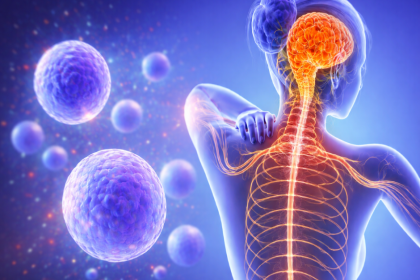
Biological immunotherapy for cancer offers a different approach. Rather than attacking tumour cells with cytotoxic agents that also damage healthy tissue, it works with the body's own immune system, strengthening, activating, and directing its natural defences to identify and fight cancer more effectively.

If you are researching biological immunotherapy for cancer, whether as a primary option or alongside conventional care, this page explains exactly what the treatment involves, who it is suitable for, and what you can expect throughout the process.

GS Medical Services coordinates access to biological immunotherapy through specialist clinics in Germany. We manage every step, from initial evaluation through to follow-up, so that patients from the UAE, Gulf region, and internationally receive full clinical support throughout their journey.

What Is Biological Immunotherapy for Cancer?

Biological immunotherapy is a medical treatment that uses natural biological agents to enhance the body's immune response against cancer cells. It is classified as an integrative oncology approach,meaning it is designed to work alongside conventional cancer treatment, not necessarily instead of it.

Unlike chemotherapy, which targets all rapidly dividing cells (healthy and malignant alike), biological immunotherapy is more selective. The agents used target specific vulnerabilities in cancer cells, such as their elevated iron content or their sensitivity to oxidative stress, while exerting far less damage on surrounding healthy tissue.

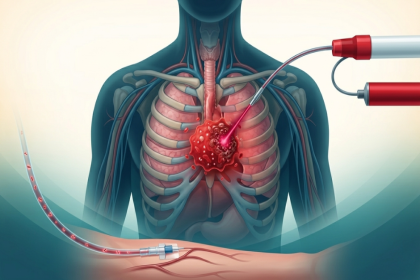
Treatment is delivered as outpatient intravenous infusions, tailored to each patient's tumour type, disease stage, and overall health. There is no surgical procedure and no inpatient hospital stay.

How Does Biological Immunotherapy Work?

Cancer cells are not simply foreign invaders. They are the body's own cells that have mutated and learned to evade normal immune controls. Over time, they suppress the immune response in their surrounding environment, downregulate the signals that would identify them as threats, and grow unchecked.

Biological immunotherapy addresses this by:

  • Reinforcing immune surveillance: giving the immune system the biological support it needs to recognise and respond to cancer cells more effectively
  • Targeting cancer cell vulnerabilities: using agents that exploit specific weaknesses in tumour cell biology, such as high iron content or impaired antioxidant defences
  • Reducing the immunosuppressive environment: helping to counteract the signals that tumours use to shield themselves from immune attack
  • Supporting the body during conventional treatment: improving tolerance of chemotherapy or radiotherapy, reducing side effects, and helping maintain immune function throughout

The result is a more targeted, sustainable approach to cancer management, one that complements rather than competes with the conventional oncology pathway.

Biological Immunotherapy Agents: What Is Used and Why?

The core of biological immunotherapy treatment is the selection and combination of natural biological agents, delivered intravenously. Each agent works through a distinct mechanism. Protocols are personalised, the combination used, the dosing, and the number of sessions are all determined by the patient's specific clinical picture.

Artesunate

Artesunate is derived from Artemisia annua, a plant with a long history in medicine and well-established use as an anti-malarial agent. In oncology, artesunate has been studied extensively for its anti-tumour properties. Cancer cells accumulate significantly more iron than healthy cells. Artesunate exploits this by reacting with iron to generate toxic oxygen radicals inside the tumour cell, disrupting cancer cell function and inhibiting tumour growth, while demonstrating controlled, selective toxicity that largely spares surrounding healthy tissue.

Curcumin (Intravenous)

Curcumin is the active compound in turmeric and one of the most extensively studied natural agents in cancer research. It interferes with multiple molecular pathways involved in cancer cell growth, survival, and spread. When taken orally, curcumin has poor bioavailability. Delivered intravenously, it achieves significantly higher plasma concentrations, allowing its anti-inflammatory and anti-tumour properties to reach therapeutic effect. It is also associated with modulation of the tumour's immunosuppressive microenvironment.

High-Dose Vitamin C (Intravenous)

Intravenous high-dose Vitamin C achieves plasma concentrations many times higher than any oral supplement can produce. At these concentrations, Vitamin C acts as a pro-oxidant rather than an antioxidant, generating hydrogen peroxide selectively within tumour tissue, which damages cancer cell membranes and disrupts their energy production. Healthy cells, with intact antioxidant defences, are largely protected from this effect. High-dose Vitamin C is also associated with improved patient tolerance of chemotherapy and radiotherapy, and with a meaningful reduction in treatment-related fatigue.

Chlorin E6

Chlorin E6 is a photosensitising compound derived from Chlorella ellipsoidea algae, used in photodynamic therapy for malignant tumours. It has the property of accumulating selectively in tumour tissue. When activated, it generates reactive oxygen species within the tumour that damage cancer cells while limiting collateral impact on surrounding healthy tissue. It is used as part of targeted anti-tumour protocols for appropriate tumour types.

Vitamin B17 (Amygdalin)

Amygdalin is a naturally occurring compound found in various plant seeds. It has been studied within integrative oncology for its cytostatic properties, meaning its potential to slow or inhibit cancer cell division, as well as for its analgesic effects in cancer-related pain management. It is used as a supportive agent within the broader biological immunotherapy protocol, combined with other agents rather than as a standalone treatment.

These agents are never used in isolation. Every protocol is designed as a combination approach, layering complementary mechanisms to produce a more comprehensive anti-tumour and immune-supporting effect than any single agent could achieve alone

Who Is Suitable For Biological Immunotherapy?

Biological immunotherapy is not the right option for every cancer patient. A thorough medical evaluation is always the starting point, and an honest assessment of suitability is provided at the consultation stage, including a direct answer when the evidence does not support treatment for a given case.

Patients who are most likely to benefit typically include:

  • Patients whose cancer has not responded adequately to standard treatment. Where chemotherapy, targeted therapy, or radiotherapy has produced limited benefit or where resistance has developed, biological immunotherapy may offer a complementary mechanism that conventional treatment does not provide.
  • Patients seeking integrative cancer care alongside conventional oncology. Biological immunotherapy is frequently used in combination with standard treatment, supporting immune function, enhancing treatment tolerance, and potentially improving response.
  • Patients managing significant side effects from conventional treatment. The lower toxicity profile of biological immunotherapy makes it a meaningful option for patients who are experiencing substantial side effects from chemotherapy or radiotherapy and are seeking supportive immune-based care.
  • Patients with advanced or metastatic cancer. Where curative options are not available, biological immunotherapy may contribute to disease stabilisation, improved quality of life, and sustained immune support.
  • Patients earlier in their treatment journey. Starting biological immunotherapy before significant immune suppression has accumulated from prior treatment generally offers the best conditions for a meaningful immune response. Earlier is not always possible, but when it is, it is often preferable.

Children, adolescents, and adults are all assessed individually.

Diagnosis and Evaluation Before Treatment

Before any biological immunotherapy programme begins, a comprehensive medical review is conducted. This is not a formality, it is the foundation of personalised, appropriate care.

The evaluation covers your full medical history, cancer type and staging, biopsy and pathology reports, prior treatment history, and current immune and health status. Where available, molecular or genomic profiling data is also reviewed, as it can inform which biological agents and combinations are most likely to be beneficial for your specific tumour type.

Every case is reviewed by the specialist medical team before any treatment plan is confirmed. If biological immunotherapy is not clinically appropriate for your case, you will be told so clearly and honestly at this stage.

The Treatment Process: Step by Step

Step 1. Medical Evaluation and Eligibility Assessment

Your journey begins with a thorough review of your medical records, pathology reports, treatment history, and current health status. The specialist team provides an honest assessment of whether biological immunotherapy is suitable for your case, what realistic benefit may look like, and how it fits alongside any ongoing conventional oncology care.

Step 2. Personalised Treatment Planning

If you are assessed as a suitable candidate, a fully individualised protocol is developed. This includes the specific biological agents selected for your case, how they will be combined, the number and frequency of infusion sessions required, and how the programme integrates with your broader cancer management plan. Complete logistics support is provided for international patients, including guidance on travel and accommodation.

Step 3. Outpatient Infusion Therapy in Germany

Treatment is delivered at specialist clinics in Germany, under physician supervision in a clinical environment that meets rigorous national and European medical standards. Biological agents are administered intravenously, ensuring precise dosing and optimal bioavailability. Most patients return to their accommodation on the same day. The full schedule of clinic visits is agreed upon during the planning stage and explained clearly before any commitment is made.

Step 4. Structured Follow-Up and Progress Monitoring

Follow-up is conducted remotely via secure telemedicine, there is no requirement to return to Germany for routine reviews. Progress is monitored using tumour markers, imaging where appropriate, and patient-reported outcomes. Personalised guidance on nutrition, lifestyle, and immune support continues throughout. Direct access to the medical team remains available throughout the programme and beyond.

Cost of Biological Immunotherapy for Cancer

The cost of biological immunotherapy for cancer depends on multiple factors, including the specific biological agents selected for your protocol, the number of infusion sessions required, the complexity of your case, and whether treatment is delivered as a standalone programme or in combination with other therapeutic modalities.

A detailed, transparent cost breakdown is provided following your initial medical assessment, once the team has reviewed your case and designed a protocol specific to your clinical picture. There are no hidden charges. All pricing covers your evaluation, infusion sessions, and structured follow-up care.

To receive a personalised cost estimate for biological immunotherapy, contact GS Medical Services to arrange your initial consultation.

Potential Benefits of Biological Immunotherapy for Cancer

The following potential benefits are based on current clinical research and the known mechanisms of the biological agents used. Outcomes vary between individuals, tumour types, and prior treatment histories, and cannot be guaranteed.

  • Selective targeting of cancer cells. Agents such as artesunate and high-dose Vitamin C exploit specific vulnerabilities in cancer cell biology, producing anti-tumour effects while exerting significantly less damage on surrounding healthy tissue than conventional cytotoxic agents.
  • Immune system reinforcement. Biological immunotherapy supports and restores the immune system's capacity to mount a sustained anti-tumour response, an effect that continues beyond the infusion sessions themselves.
  • Improved tolerance of conventional treatment. For patients continuing chemotherapy or radiotherapy, biological immunotherapy, particularly high-dose intravenous Vitamin C, is associated with reduced treatment-related fatigue, better tolerance, and improved quality of life during the conventional treatment period.
  • Disease stabilisation in advanced cancer. Where tumour regression is not achievable, biological immunotherapy may contribute to slowing disease progression and maintaining immune function, meaningful outcomes for patients with advanced or metastatic disease.
  • A lower-toxicity treatment option. The side effect profile of biological immunotherapy compares favourably with chemotherapy. Patients do not experience the hair loss, severe nausea, or bone marrow suppression associated with cytotoxic treatment.

Complementary mechanism of action. Because biological immunotherapy works through different mechanisms to conventional treatment, it adds a complementary layer of anti-tumour activity rather than simply duplicating what chemotherapy or radiotherapy already does.

Potential Side Effects of Biological Immunotherapy for Cancer

Biological immunotherapy has a well-established safety profile. It does not carry the systemic toxicity associated with conventional chemotherapy, and serious adverse effects are uncommon in appropriately screened patients.

Common reactions are typically mild and temporary. These may include minor discomfort at the infusion site, transient low-grade fatigue, or mild flu-like symptoms in the 24 to 48 hours following treatment, all of which reflect immune activation and generally resolve without intervention.

Every patient undergoes thorough pre-treatment screening before the programme begins. Patients continuing conventional oncology treatment are assessed specifically for any potential interactions with their ongoing regimen. Comprehensive post-treatment guidance is provided so patients know what to expect and when to seek medical attention.

Recovery After Biological Immunotherapy

One of the practical advantages of biological immunotherapy is that it requires no surgical recovery period and no inpatient hospital stay. Treatment is outpatient, and most patients resume normal activity the same day or the day after each session.

All patients are enrolled in a structured remote follow-up programme. Progress monitoring, immune response assessment, and personalised guidance continue throughout and after the active treatment phase. The goal is not just to deliver treatment but to ensure that patients have the support and information they need to get the most from it.

Why Choose GS Medical Services for Biological Immunotherapy?

  • German clinical excellence. All treatment is delivered through specialist clinics operating under Germany's rigorous national and European medical standards, with decades of dedicated experience in integrative and biological oncology.
  • Personalised protocols. Every treatment plan is built around the individual patient's clinical picture. The combination of agents used, the schedule, and the integration with conventional oncology care are all tailored specifically to your case, not a standardised package.
  • Honest, transparent guidance. The cost of biological immunotherapy for cancer and the realistic scope of expected benefit are both discussed openly before any commitment is made. If biological immunotherapy is not appropriate for your case, you will be told so at the earliest stage.
  • Complete international patient support. Scheduling, documentation, clinic communication, travel coordination, and accommodation guidance are all managed for international patients, with particular attention to the additional practical and emotional demands of seeking treatment abroad.
  • Continuity of care. Your relationship with the medical team does not end when you leave Germany. Structured telemedicine follow-up, progress monitoring, and direct access to Doctors continue throughout the follow-up period and beyond.

Take the Next Step

A cancer diagnosis is a serious and often overwhelming experience. Biological immunotherapy for cancer is not a guaranteed cure, and it is not the right option for every patient. What it offers is a meaningful, evidence-informed complementary approach, one that is worth exploring with the right specialist team as part of a comprehensive cancer management plan.

Contact GS Medical Services today to arrange a confidential medical evaluation. Your assessment covers a review of your diagnosis and treatment history, an honest discussion of whether biological immunotherapy is appropriate for your case, a clear explanation of the recommended protocol, and a transparent cost breakdown, all before any decision is made.

Medical Disclaimer

This content is for informational purposes only and does not constitute medical advice. Biological immunotherapy outcomes vary between individuals and treatment may not be suitable for everyone. All treatment decisions should be made in consultation with a qualified healthcare professional following thorough clinical evaluation.

Frequently Asked Questions

What is biological immunotherapy for cancer? 

Biological immunotherapy for cancer is a treatment approach that uses natural biological agents, such as artesunate, intravenous curcumin, high-dose Vitamin C, Chlorin E6, and amygdalin, to enhance the immune system's capacity to identify and fight cancer cells, while minimising damage to healthy tissue.

How much does biological immunotherapy for cancer cost? 

The cost of biological immunotherapy for cancer depends on multiple factors, including the agents selected, the number of sessions required, and the complexity of the individual protocol. A full, transparent cost breakdown is provided following your medical assessment. There are no hidden charges.

Does biological immunotherapy replace conventional cancer treatment? 

Not necessarily. It is most effective when used alongside conventional treatment, supporting immune function, improving treatment tolerance, and providing a complementary mechanism of anti-tumour activity. For patients with advanced disease where conventional options are limited, it may form the primary active intervention.

Can biological immunotherapy be used for any type of cancer? 

The agents used have been studied across multiple tumour types. Suitability is assessed individually at the consultation stage based on tumour type, stage, molecular profile, and prior treatment history.

Is the treatment painful or disruptive to daily life? 

Biological immunotherapy is delivered as outpatient intravenous infusions. Most patients return to their accommodation the same day. There is no surgical procedure, no inpatient stay, and no recovery period comparable to surgery or chemotherapy.

How is the cost of biological immunotherapy for cancer calculated? 

The cost depends on the specific biological agents included in your protocol, the number of infusion sessions, any additional diagnostic assessments required, and the overall duration of the programme. All costs are outlined clearly and in full before treatment begins.