Home Blogs Stem Cell Therapy for Parkinson's Disease

Stem Cell Therapy for Parkinson's Disease

Stem Cell Therapy for Parkinson's Disease

Parkinson's disease is a condition that tends to arrive quietly. A slight tremor in the hand. Movements that feel a little slower than they used to. Handwriting that has changed. For many people, years pass between the first subtle signs and the point at which a neurologist puts a name to what is happening. By then, a significant proportion of the dopamine-producing cells in the brain have already been lost.

Managing Parkinson's over the long term means living with a condition that is progressive by nature. Medications help, sometimes remarkably well in the early years, but they do not slow the underlying disease process. As the condition advances, the medication window narrows, side effects accumulate, and the gap between what the drugs can offer and what the patient needs continues to widen.

At GS Medical Services in Dubai, we provide access to mesenchymal stem cell (MSC) therapy through specialist clinics in Germany, as part of a personalised and carefully coordinated approach to Parkinson's management. We serve patients from across the UAE, the wider Gulf region, and internationally, connecting them with the clinical expertise of German biological and regenerative medicine.

Understanding Parkinson's Disease and Its Long-Term Impact

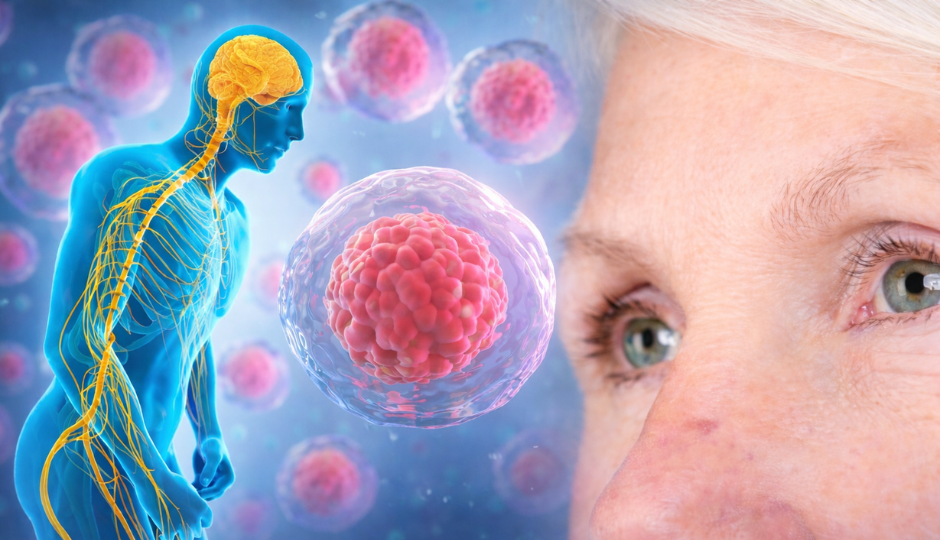
Parkinson's disease is a progressive neurodegenerative condition caused by the loss of dopaminergic neurons in the substantia nigra, a region of the brain responsible for coordinating smooth, controlled movement. As these cells die, dopamine levels fall, and the brain's ability to regulate motor function becomes increasingly compromised.

The condition is more than a movement disorder. Parkinson's affects multiple systems, autonomic, cognitive, and psychiatric, and its non-motor features are often as disabling as its physical ones. How quickly it progresses differs between people, but the direction does not.

Common long-term consequences of Parkinson's disease include:

  • Tremor: Typically, a resting tremor affecting the hands, arms, legs, jaw, or face; one of the most recognisable features of the condition
  • Bradykinesia: Slowness of movement that affects walking speed, facial expression, handwriting, and the ability to perform rapid, repetitive tasks
  • Rigidity: Muscle stiffness causing reduced range of motion, pain, and a characteristic shuffling gait
  • Postural instability: Impaired balance and righting reflexes, increasing the risk of falls
  • Freezing of gait: Sudden, involuntary episodes where the feet feel fixed to the ground
  • Cognitive decline: Ranging from mild cognitive impairment to Parkinson's dementia in more advanced disease
  • Autonomic dysfunction: Including constipation, urinary urgency, orthostatic hypotension, and excessive sweating
  • Sleep disturbances: REM sleep behaviour disorder, insomnia, and excessive daytime sleepiness
  • Depression and anxiety: Affecting the majority of patients at some point during the course of the disease
  • Dyskinesias: Involuntary movements that develop as a complication of long-term levodopa therapy

These consequences accumulate over time. For many patients and families, that combination, a condition that progresses regardless, and treatments that manage rather than modify, is a difficult thing to sit with.

Standard Treatment Options for Parkinson's Disease

Current management of Parkinson's disease focuses primarily on replacing or mimicking dopamine to manage motor symptoms. These treatments can be highly effective in the early and middle stages of disease, but they do not slow neurodegeneration and carry increasing limitations over time.

Treatment

Limitation

Levodopa (with carbidopa or benserazide)

Most effective dopaminergic therapy; long-term use leads to motor fluctuations and dyskinesias

Dopamine agonists (pramipexole, ropinirole, rotigotine)

Useful adjunct or alternative to levodopa; side effects include impulse control disorders, sleepiness, and oedema

MAO-B inhibitors (rasagiline, selegiline, safinamide)

Modest symptomatic benefit; used as adjunct therapy

COMT inhibitors (entacapone, opicapone)

Extend levodopa effect; limited independent benefit

Deep brain stimulation (DBS)

Significant benefit for carefully selected patients; invasive surgical procedure with associated risks

Duodopa / continuous infusion therapies

Reduces motor fluctuations in advanced disease; complex to manage and invasive

Physiotherapy, speech therapy, and occupational therapy

Improve function and quality of life, but do not alter the underlying disease course

The fundamental limitation: Consistent across all current therapies: none of them protects or restores the dopaminergic neurons whose loss drives Parkinson's disease. Managing symptoms becomes progressively more complex as neuronal loss continues. Neuroprotection, finding a way to preserve the neurons that remain, is the central unanswered question in Parkinson's research, and it is what has kept MSC-based therapy in focus.

How Does Stem Cell Therapy Work in Parkinson's Disease?

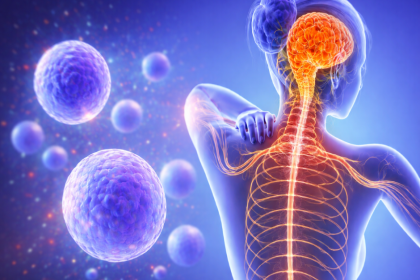
Stem cell therapy for Parkinson's disease is based on the principle that introducing MSCs into or near the affected neural environment may support surviving neurons, reduce the ongoing inflammatory processes contributing to neurodegeneration, and create conditions more conducive to dopaminergic function. This is an active area of clinical research, with published data from preclinical models and early-phase human studies.

The Science Behind Mesenchymal Stem Cells (MSCs)

Mesenchymal stem cells are multipotent cells with well-documented neuroprotective and immunomodulatory properties. In Parkinson's disease, MSCs may act through several distinct mechanisms:

  • Neurotrophic support: Mesenchymal stem cells (MSCs) release neurotrophic factors such as BDNF, GDNF, and NGF. These support the survival and function of dopamine-producing brain cells. Among them, GDNF is particularly important and has been widely studied for its protective effects on neurons in Parkinson’s disease. When delivered naturally by MSCs, these factors provide a steadier, more integrated effect than direct drug-based treatments.
  • Reduction of neuroinflammation: Chronic microglial activation, the brain's immune cells, plays a significant role in the progressive loss of dopaminergic neurons in Parkinson's disease. MSCs can suppress microglial overactivation and reduce pro-inflammatory cytokine levels in the CNS, potentially slowing the rate of ongoing neuronal loss.
  • Immunomodulation: Beyond local neuroinflammation, systemic immune dysregulation has been increasingly recognised as a component of Parkinson's disease pathology. MSCs modulate T-cell activity and cytokine profiles systemically, which may contribute to a less hostile environment for surviving dopaminergic neurons.
  • Neuroprotection of surviving neurons: By reducing oxidative stress, excitotoxicity, and the direct toxic effects of alpha-synuclein aggregation on surrounding cells, MSCs may help preserve the remaining dopaminergic neurons, slowing the progression of functional decline even when full restoration of lost cells is not possible.
  • Potential dopaminergic differentiation: Some preclinical research has explored the capacity of MSCs to differentiate towards dopaminergic-like cell types under specific conditions, though this remains an area of ongoing investigation and is not considered a primary mechanism in current clinical protocols.

Important: Stem cell therapy for Parkinson's disease is not a cure. It cannot restore dopaminergic neurons that have already been lost, and it does not stop the progression of the underlying disease. What it may offer is a slowing of further neuronal loss, a reduction in inflammatory burden, and, in some patients, a period of improved motor and non-motor symptom control. Outcomes vary considerably depending on disease stage, duration, existing disability, and individual biological response.

What to Expect During Stem Cell Therapy Treatment in Germany?

A comprehensive cellular therapy programme is designed specifically for international and regional patients seeking high-standard neurological care. Every stage is carefully coordinated by our dedicated team.

Step 1: Comprehensive Medical Review and Eligibility Assessment

Your evaluation begins with a thorough review to determine whether stem cell therapy is appropriate for your specific condition:

  • Review of current neurological assessments, including Unified Parkinson's Disease Rating Scale (UPDRS) scores and recent imaging, where available
  • Comprehensive medical and medication history, including current dopaminergic therapy, response, and any motor complications
  • Assessment of disease stage using Hoehn and Yahr staging
  • In-depth consultation with the medical team
  • Honest, transparent assessment of whether you are a suitable candidate for cellular therapy

Step 2: Personalised Treatment Planning

If you are considered a suitable candidate, a fully individualised protocol is developed:

  • Customised plan based on disease stage, dominant symptom profile, current medications, and overall health status
  • Clear explanation of the procedure, realistic outcome expectations, and treatment timeline
  • Transparent discussion of potential benefits, risks, and alternative options
  • Full logistics support, including travel arrangements and accommodation guidance for international patients

Step 3: Cellular Therapy Procedure

Treatment is conducted by experienced, licensed physicians in a clinical setting that meets German and international medical standards:

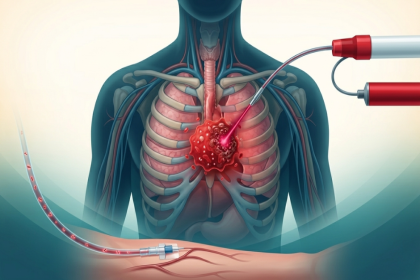
  • Administered primarily via intravenous infusion; some protocols incorporate intrathecal administration to improve access to the central nervous system
  • On an outpatient basis, most patients return to their accommodation the same day
  • Sterile clinical environment with full infection control protocols
  • Physician-supervised throughout, with post-treatment monitoring before discharge
  • The procedure typically takes 2-4 hours, including preparation and observation

Step 4: Structured Follow-Up and Progress Monitoring

Care continues well beyond the treatment procedure:

  • Remote follow-up via secure telemedicine, eliminating the need for repeated international travel
  • Objective monitoring of motor and non-motor symptom scores, medication requirements, and patient-reported outcomes at agreed intervals
  • Personalised rehabilitation guidance, including physiotherapy, speech therapy, and occupational therapy recommendations to complement cellular therapy
  • Long-term monitoring to assess treatment durability and determine whether further intervention is warranted

Who May Be a Suitable Candidate for Stem Cell Therapy?

Stem cell therapy is not appropriate for every patient with Parkinson's disease. Based on current clinical evidence and our experience, individuals who may benefit most typically share the following characteristics:

  • Confirmed diagnosis of idiopathic Parkinson's disease with documented motor and/or non-motor symptoms
  • Inadequate symptom control despite optimised dopaminergic therapy, or significant medication-related complications such as dyskinesias or wearing-off
  • Patients seeking to supplement conventional management with a neuroprotective approach rather than replace it
  • Good general health outside of Parkinson's, without active serious infection, malignancy, or significant organ dysfunction
  • Realistic understanding that the goal is to support and potentially slow deterioration, not to reverse established neurological loss
  • Commitment to continuing appropriate neurological care and rehabilitation alongside and after treatment

Patients with atypical Parkinsonism (such as multiple system atrophy or progressive supranuclear palsy), very advanced disease with severe cognitive impairment, or significant comorbidities require individual assessment. Candidacy is determined and communicated clearly during consultation.

Potential Benefits of Stem Cell Therapy for Parkinson's Disease

The following are based on current clinical research and emerging patient outcomes. Outcomes are not guaranteed and vary from individual to individual. The benefits include: 

  • Improved motor symptom control: Some patients report improvements in tremor, rigidity, and bradykinesia following MSC treatment, in some cases allowing a reduction in medication dose or a smoothing of motor fluctuations.
  • Reduced wearing-off and motor fluctuations: A proportion of patients with established levodopa-related motor complications report more consistent symptom control and fewer wearing-off episodes following treatment.
  • Improved non-motor symptoms: Sleep quality, autonomic function, mood, and cognitive clarity are among the non-motor outcomes reported as improved by some patients, areas where conventional dopaminergic therapy has a limited effect.
  • Reduced fatigue: Fatigue is one of the most disabling non-motor features of Parkinson's and one of the most commonly reported areas of improvement following MSC therapy.
  • Slowed progression: Whilst difficult to measure definitively in an individual patient, some published studies have reported slower rates of deterioration in UPDRS scores in treated patients compared to historical controls, consistent with a neuroprotective effect.
  • Improved quality of life: Patient-reported quality-of-life measures, including the Parkinson's Disease Questionnaire (PDQ-39), have shown improvements in published studies following MSC treatment. The field continues to develop, and further clinical trials are underway internationally.

Research published in peer-reviewed journals has reported improvements in motor function, quality of life, and inflammatory biomarkers following MSC therapy in patients with Parkinson's disease. Study sizes have generally been small, and the evidence base is still developing; we present it accurately and do not overstate what it currently shows.

Potential Side Effects of Stem Cell Therapy for Parkinson's Disease

As with any medical procedure, there are potential risks, which are discussed in detail during your personalised consultation.

Common side effects (typically mild and temporary):

  • Low-grade fever or flu-like symptoms in the 24-48 hours following infusion
  • Mild fatigue on the day of treatment
  • Transient headache
  • Mild discomfort or bruising at the IV site
  • Temporary increase in Parkinson's symptoms in the first 1-2 weeks, generally self-limiting and resolving within days

Rare but serious complications:

  • Infection; rare when appropriate clinical protocols are followed
  • Allergic or immune reaction to the cell preparation is uncommon with MSC preparations, which have low immunogenicity
  • Thromboembolic events are very rare; carefully screened for during pre-treatment assessment

Serious complications are uncommon when the procedure is performed by experienced practitioners in a compliant clinical setting. All patients receive comprehensive pre-procedure screening, monitoring throughout, and clear post-procedure guidance, including warning signs requiring immediate attention.
Post-Treatment Guidance: All patients receive comprehensive post-treatment instructions, including activity recommendations, guidance on continuing dopaminergic medications as prescribed, warning signs requiring immediate attention, and strategies to optimise recovery through physiotherapy and lifestyle.

Why Choose GS Medical Services for Stem Cell Therapy?

Choosing the right medical coordination partner matters, particularly when travelling abroad for treatment of a progressive neurological condition. Here’s what we offer: 

  • German Clinical Excellence: Treatments are guided by the evidence-based protocols and clinical standards of Europe's leading centres for biological and regenerative medicine. Germany's regulatory framework for advanced therapies is among the most rigorous in the world.
  • Compassionate and Expert Care: Our physicians and coordinators combine clinical knowledge with a genuine commitment to patient well-being, ensuring you are fully informed and supported at every stage, from initial enquiry through to long-term follow-up.
  • Personalised Treatment Plans: No two Parkinson's patients present identically. Treatment protocols are built around your specific disease stage, symptom profile, medication history, and personal circumstances, not a standard template.
  • International Patient Support: Dedicated coordination for patients travelling from across the UAE, Gulf region, and internationally, including appointment management, documentation, travel logistics, and accommodation guidance.
  • Transparency and Honest Guidance: We provide clear, realistic information about candidacy, expected outcomes, and potential risks. We do not overstate what MSC therapy can offer, and we are direct when the evidence does not support treatment for a particular case.
  • Continuity of Care: Through secure telemedicine, your relationship with our medical team continues long after you return home with structured follow-up, objective monitoring, and ongoing guidance built into every programme.

Request a Personalised Stem Cell Assessment for Parkinson's Disease

If you or a family member is living with Parkinson's disease and seeking options that go beyond current medication management, the first step is a thorough medical evaluation to determine whether regenerative treatment is appropriate for your specific situation. You may consult Dr. Med. Gerhard Siebenhüner for expert assessment and personalised treatment guidance.

Your initial consultation includes:

  • Confidential review of your medical records, neurological assessments, and medication history
  • Honest assessment of whether you are a suitable candidate for cellular therapy
  • Realistic discussion of potential benefits, risks, and expected outcomes for your specific disease stage and profile
  • Clear explanation of the treatment process, timeline, and logistics
  • Transparent pricing with no hidden costs
  • Time to ask questions and raise concerns, with no pressure to proceed

There is no obligation to go ahead with treatment following your consultation. We would rather you leave with a clear, honest picture of your options than feel pushed towards a decision.

Frequently Asked Questions

Is stem cell therapy suitable for all stages of Parkinson's disease?

Patients at Hoehn and Yahr stages 2-4 are most commonly assessed for suitability. Very early-stage disease and very advanced disease with severe cognitive impairment require individual evaluation. 

Can I continue my Parkinson's medications alongside stem cell therapy?

Yes. Dopaminergic medications are not stopped for this treatment. The clinical team reviews all current medications during the pre-treatment assessment and may advise on specific adjustments in the perioperative period, but continuity of existing treatment is generally maintained.

How long does the stem cell therapy procedure take?

The infusion typically takes 2-4 hours. Plan to spend 4-6 hours at the clinic on the treatment day, including preparation and post-procedure monitoring. Most patients return to their accommodation the same day.

How long do the effects of stem cell therapy last?

The duration of benefit varies depending on disease stage, individual response, and overall health. Many patients experience gradual improvements that can be sustained for months, and in some cases longer.

Is stem cell therapy regulated in Germany?

Yes. Stem cell therapies in Germany are subject to strict national and EU regulation. Treatment is performed in licensed clinical facilities under the supervision of a qualified physician following an individual medical assessment.

What is the cost of stem cell therapy for Parkinson’s disease?

Costs depend on the treatment protocol, number of sessions, and individual clinical requirements. Full, transparent pricing is provided following a medical assessment. There are no hidden charges.

Medical Disclaimer

The information on this page is for educational and informational purposes only and should not be construed as medical advice. Stem cell therapy outcomes vary considerably between individuals, and treatment may not be suitable for everyone. Always consult a qualified medical professional before making decisions about your health.