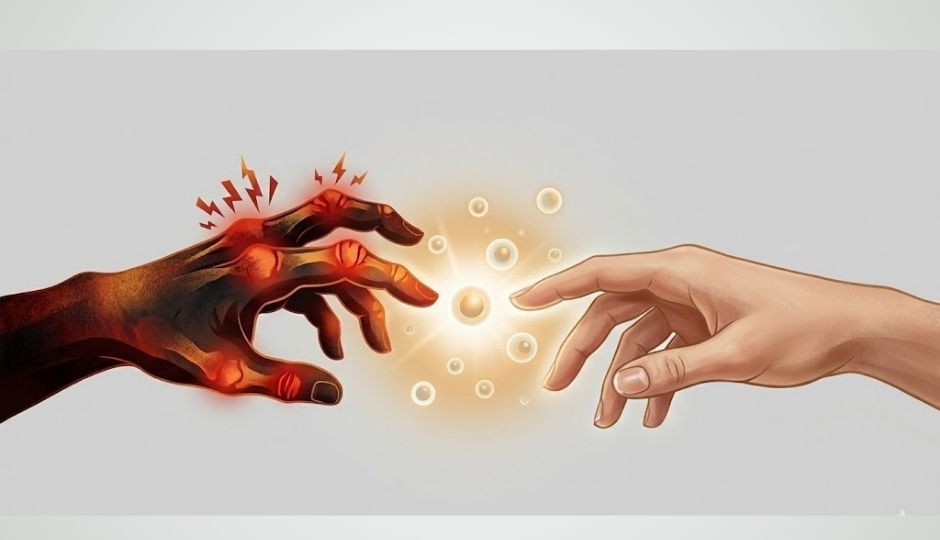
Rheumatoid arthritis is classified as an autoimmune disease in which the immune system generates antibodies that target the synovium, the lining of the joints, causing inflammation, swelling, and eventually structural joint damage. The disease typically follows a relapsing and remitting course, with periods of increased disease activity (flares) alternating with partial remissions.
RA affects approximately 1% of the global population and is two to three times more prevalent in women than in men. Without effective management, RA leads to progressive and irreversible joint destruction. Common long-term consequences include:
- Chronic joint pain and swelling - affecting the hands, wrists, knees, feet, and other joints, often symmetrically
- Joint deformity and erosion - irreversible structural damage resulting from sustained inflammation
- Reduced range of motion - progressive stiffness that limits daily activities and independence
- Fatigue and malaise - systemic inflammation produces persistent, debilitating tiredness
- Systemic complications - including cardiovascular disease, interstitial lung disease, and anaemia
- Psychological impact - anxiety, depression, and social withdrawal are common among those living with chronic RA
- Reduced work capacity - many patients are unable to maintain employment due to functional limitations
These challenges can significantly limit independence and participation in daily life, placing a substantial burden on patients and their families. Whilst conventional treatments can help manage symptoms, disease control often remains incomplete, leaving many individuals with ongoing disability and progressive joint damage.