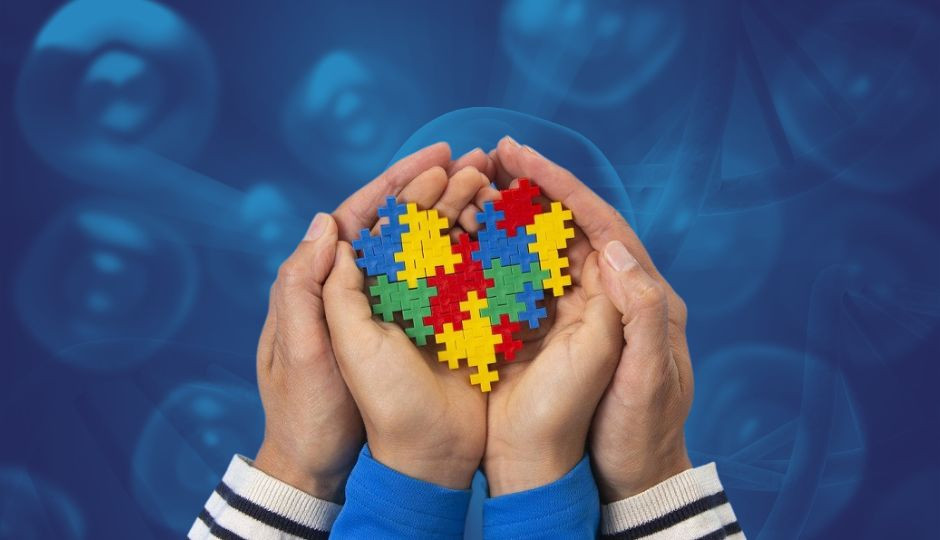
Home Blogs Stem Cell Therapy for Autism

Stem Cell Therapy for Autism

Stem Cell Therapy for Autism

Raising a child with autism means navigating a system that offers a lot of management and very little resolution. Behavioural therapies, speech programmes, and occupational support are helpful and, for many families, essential, but they do not address what is happening at the neurological and immune level. 

At GS Medical Services in Dubai, we coordinate access to mesenchymal stem cell (MSC) therapy for selected patients with autism spectrum disorder (ASD) through specialist clinics in Germany. This approach works at the biological level, targeting the immune dysregulation, neuroinflammation, and connectivity disruptions that current research increasingly links to ASD. We manage every aspect of the referral, coordination, logistics, and follow-up process so that families can access this treatment with proper clinical support.

We serve patients from across the UAE, the wider Gulf region, and internationally, with the clinical standards of German biological medicine.

Understanding Autism and Its Underlying Biology

Autism spectrum disorder (ASD) is a neurodevelopmental condition characterised by differences in social communication, sensory processing, and behaviour. It presents on a wide spectrum; no two individuals with autism are the same, and the challenges families face vary considerably depending on where a child or adult falls on that spectrum.

What conventional medicine has historically focused on is behaviour. What research has increasingly revealed is biology. Studies over the past two decades point to several physiological disruptions that appear across a significant proportion of people with ASD, including:

  • Neuroinflammation: Elevated inflammatory markers in the brain and cerebrospinal fluid, suggesting chronic immune activation in the central nervous system.
  • Immune dysregulation: Abnormal immune responses, including altered T-cell activity and elevated pro-inflammatory cytokines.
  • Mitochondrial dysfunction: Impaired cellular energy production affecting brain development and function.
  • Oxidative stress: Elevated levels of oxidative damage markers, suggesting the body's antioxidant systems are under strain.
  • Gut-brain axis disruption: Gastrointestinal dysfunction, reported in a significant proportion of individuals with ASD, is thought to influence neurological symptoms through immune and microbiome pathways.
  • Impaired neural connectivity: Differences in how brain regions communicate with each other, particularly in areas involved in social processing and language

These biological findings do not explain everything about autism, but they do explain why some individuals fail to progress adequately with behavioural interventions alone, and they form the scientific basis for exploring stem cell therapy as a complementary approach.
Standard Treatment Options for Autism

Current autism care centres on behavioural, educational, and symptomatic management. These approaches are valuable and should continue alongside any biological intervention. However, they carry well-recognised limitations:

Treatment

Limitation

Applied Behaviour Analysis (ABA)

Addresses behavioural patterns but does not target neuroinflammation or immune dysregulation

Speech and Language Therapy

Supports communication development, but progress often plateaus in moderate to severe cases

Occupational Therapy

Helps with sensory and motor skills; does not address underlying neurological dysfunction

Medications (e.g. risperidone, aripiprazole)

Manage specific behavioural symptoms; do not modify the underlying condition

Educational Interventions

Improve adaptive functioning, but are limited by the degree of neurological impairment

The absence of any treatment that addresses the biological mechanisms driving ASD is what has directed scientific attention toward stem cell-based approaches.

How Stem Cell Therapy Works for Autism?

Stem cell therapy for autism is not about replacing brain cells. It works differently, and understanding that distinction matters.

Mesenchymal stem cells (MSCs) are not introduced into the brain directly. Instead, they are administered systemically and act through a range of biological signalling mechanisms that influence the immune system, reduce inflammation, and support the conditions under which the brain can function and develop more effectively.

The Science Behind Mesenchymal Stem Cells (MSCs)

GS Medical Services coordinates treatment at specialist clinics in Germany that use mesenchymal stem cells derived from ethically sourced donors. MSCs are well-characterised for their ability to:

  • Modulate overactive immune responses, reducing the chronic neuroinflammation associated with ASD
  • Secrete neuroprotective growth factors that support neural repair and development
  • Reduce oxidative stress at the cellular level
  • Stimulate angiogenesis, the formation of new blood vessels, improving circulation and oxygen delivery to affected brain regions
  • Support mitochondrial function, addressing the cellular energy deficits observed in many ASD patients
  • Potentially promotes neuroplasticity, supporting the brain's capacity to form new and more effective neural connections

Potential Mechanisms of Action in Autism

Understanding why MSC therapy may help requires examining how these cells behave once administered. They do not replace damaged neurons. What they do is alter the biological environment in which the brain is operating.

  • Cytokine regulation: MSCs actively suppress the overproduction of pro-inflammatory signalling proteins that drive chronic neuroinflammation in ASD. Rather than broadly suppressing the immune system, they nudge it toward a more regulated state, reducing harmful activity without compromising normal immune function.
  • Paracrine signalling: The primary mechanism is not cell replacement but chemical communication. MSCs release bioactive molecules that instruct surrounding cells to reduce inflammation, repair tissue, and improve local circulation, effects that extend well beyond the cells themselves.
  • Neuroprotection: MSCs secrete growth factors, including BDNF and VEGF, that support the survival of existing neurons and encourage the formation of new neural connections. In a brain with impaired interregional connectivity, this is directly relevant.
  • Mitochondrial rescue: MSC-derived signals have been shown to restore mitochondrial membrane potential and improve ATP production in affected cells, directly addressing the energy deficits that impair neural signalling and development in a subset of ASD patients.
  • Intestinal barrier repair: MSCs have demonstrated the ability to reduce intestinal permeability, commonly referred to as leaky gut, which is thought to drive systemic immune activation and worsen neurological symptoms through the gut-brain axis.

Important: Stem cell therapy for autism is not a cure. Outcomes vary considerably between individuals and depend on multiple factors, including the degree of neurological involvement, the child's age, overall health, and individual biological response. GS Medical Services is committed to providing an honest assessment of what this treatment may and may not offer each patient.

What to Expect During Stem Cell Therapy Treatment in Germany?

A structured cellular therapy programme is designed specifically for international and regional patients seeking personalised neurological care. Every step is coordinated by a dedicated team.

Step 1: Comprehensive Medical Review and Eligibility Assessment

Your journey begins with a thorough evaluation to determine whether stem cell therapy is appropriate:

  • Comprehensive developmental, neurological, and behavioural history
  • Review of previous therapies and their outcomes
  • In-depth consultation with the medical team
  • Honest, transparent assessment of whether your child or family member is a suitable candidate for cellular therapy

Step 2: Personalised Treatment Planning

If assessed as a suitable candidate, a fully individualised treatment protocol is developed:

  • Protocol tailored to ASD severity, degree of immune and neurological involvement, age, and overall health
  • Clear explanation of the procedure, expected timeline, and realistic outcome expectations
  • Transparent discussion of potential benefits, risks, and alternative options
  • Comprehensive logistics support, including travel arrangements and accommodation guidance for international patients

Step 3: Cellular Therapy Procedure

The stem cell treatment is conducted by experienced, licensed physicians in a clinical environment meeting international medical standards:

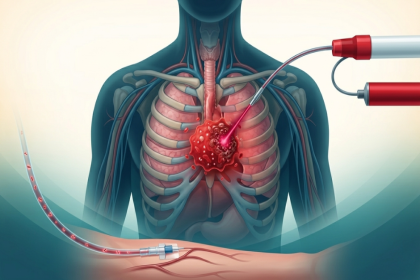
  • Minimally invasive procedure; typically administered intravenously (IV) or via intrathecal injection, depending on the individual treatment protocol
  • On an outpatient basis, patients can return to their accommodation the same day
  • Sterile clinical environment with full infection control protocols
  • Physician-supervised throughout, with immediate post-treatment monitoring
  • Local anaesthesia or sedation where required to minimise discomfort

The procedure typically takes 2-4 hours, including preparation and post-procedure observation.

Step 4: Structured Follow-Up and Progress Monitoring

Your care extends well beyond the treatment procedure itself:

  • Remote support via secure telemedicine platforms, eliminating the need for repeated international travel
  • Progress evaluation using validated developmental and behavioural outcome measures to objectively track changes
  • Personalised guidance on complementary therapies, including ABA, speech therapy, and occupational therapy, to support and build on the cellular treatment
  • Long-term monitoring to assess the durability and progression of any treatment benefit
  • The team remains accessible throughout, ready to address any questions or concerns as they arise

Who May Be a Suitable Candidate for Stem Cell Therapy for Autism?

Stem cell therapy is not appropriate for every individual with autism. Based on current clinical evidence and our experience, those who may benefit most typically share the following profile:

  • Confirmed ASD diagnosis with moderate to severe functional impairment
  • Evidence of underlying immune dysregulation, neuroinflammation, or mitochondrial dysfunction, identified through clinical assessment or laboratory findings
  • Limited progress with conventional behavioural and educational interventions despite consistent engagement
  • Generally good overall health without significant active medical conditions that could complicate treatment
  • No active malignancy, uncontrolled autoimmune disease, or active systemic infection
  • Realistic expectations and a clear understanding that outcomes vary between individuals
  • Commitment to continuing behavioural and educational therapies alongside and following cellular treatment
  • Families are prepared to engage with the follow-up process and support complementary rehabilitation after treatment

Younger children in active developmental windows may show stronger responses, though older children and adults are also assessed individually. Age alone is not a disqualifying factor

Potential Benefits of Stem Cell Therapy for Autism

Based on current clinical research and emerging patient outcomes, stem cell therapy for autism may offer several potential benefits. Outcomes are not guaranteed and vary considerably between individuals. It may offer the following benefits:

  • Improved social engagement: Some children show increased eye contact, responsiveness to their name, and interest in interacting with others following treatment.
  • Enhanced communication: Families report improvements in both verbal and nonverbal communication, including the use of new words or phrases in previously nonverbal children.
  • Reduced repetitive and self-stimulatory behaviours: Some patients demonstrate a reduction in stereotyped behaviours following treatment.
  • Better sensory processing: Improvements in sensory tolerance and reduced hypersensitivity to sound, touch, and other stimuli are reported in some cases.
  • Improved attention and cognitive function: Some children show increased concentration, better task engagement, and improved learning capacity.
  • Reduced hyperactivity and irritability: Behavioural improvements linked to immune and neurological changes rather than sedation
  • Gastrointestinal improvement: Some patients report a reduction in gut-related symptoms, consistent with the gut-brain axis mechanisms described above. 

Research published in peer-reviewed medical journals has reported improvements in behavioural measures, communication, and quality of life following MSC therapy in ASD patients. The magnitude and durability of benefit vary, and the field continues to develop. GS Medical Services works with clinics that adhere to evidence-informed protocols.

Potential Side Effects of Stem Cell Therapy for Autism

As with any medical procedure, stem cell therapy carries potential risks, which will be discussed in detail during your personalised consultation.

Common side effects (typically mild and temporary):

  • Temporary fatigue or mild headache following treatment
  • Low-grade fever for 24-48 hours post-procedure
  • Mild injection site discomfort or bruising
  • Temporary increase in behavioural symptoms during the first 1-2 weeks, which usually resolves on its own as the treatment takes effect

Rare but serious complications:

  • Infection at the injection or administration site is rare when appropriate clinical protocols are followed
  • Allergic reaction to procedure components
  • Thromboembolic events are very rare cases, carefully screened for during the pre-treatment assessment

Serious complications are rare when the procedure is performed by experienced practitioners in appropriate clinical settings. All patients receive comprehensive pre-procedure screening and post-procedure monitoring to minimise risk.
Post-Treatment Guidance: All patients receive comprehensive post-treatment instructions, including activity recommendations, guidance on resuming behavioural and educational therapies, warning signs requiring immediate attention, and strategies to optimise the effectiveness of the cellular therapy through lifestyle and rehabilitation.

Why Choose GS Medical Services for Stem Cell Therapy for Autism?

Families exploring stem cell therapy for autism are already carrying a significant load. The last thing they need is a coordination process that adds to it. GS Medical Services exists to take that part off your plate: handling the clinical referral, logistics, and follow-up so you can focus on your child. Everything we do is guided by the following principles:

  • German Clinical Excellence: Treatment is delivered through clinics operating under Germany's rigorous national medical standards, guided by evidence-informed protocols from leading centres for integrative and biological medicine.
  • Compassionate & Expert Care: Our coordinators bring genuine dedication to patient well-being, ensuring you feel informed and supported at every stage.
  • Personalised Treatment Plans: Autism does not present the same way twice. Every protocol is built from scratch around your child's specific neurological profile, developmental history, current therapies, and realistic goals, not adapted from a template.
  • International Patient Support: End-to-end coordination for families travelling from the UAE, Gulf region, and beyond; covering appointments, medical documentation, and accommodation guidance so nothing falls through the cracks.
  • Transparency & Honest Guidance: We provide clear, realistic information about expected outcomes, candidacy criteria, and potential risks.
  • Continuity of Care: The relationship with our medical team does not end at the clinic door. Structured telemedicine follow-up, progress monitoring, and ongoing guidance continue long after you return home.

Request a Personalised Stem Cell Assessment for Autism

If your child or a family member has been diagnosed with autism and you are exploring stem cell therapy, the first step is a comprehensive medical evaluation to determine whether this treatment is appropriate for their specific situation. You may consult Dr. Med. Gerhard Siebenhüner for an expert assessment and personalised treatment guidance.

Your initial consultation covers:

  • A confidential review of your child's medical records, developmental history, and previous therapy outcomes.
  • A straight assessment of whether cellular therapy is appropriate for their specific case, including an honest answer if it is not.
  • A grounded conversation about what improvement may look like, what the risks are, and what outcomes are realistically possible.
  • A full walkthrough of the procedure, timeline, and what traveling to Germany entails in practice.
  • Complete pricing breakdown upfront, with no costs that appear later.

There is no obligation to proceed with treatment following your consultation. Our goal is to provide you with the information and support needed to make an informed decision about your child's health and development.

Frequently Asked Questions

How long does the stem cell therapy procedure for autism take? 

The procedure typically takes 2-4 hours, depending on the method of administration. Plan to spend around 4-6 hours at the clinic on the day of treatment, including preparation and post-procedure monitoring. Most patients return to their accommodation the same day.

How soon can we expect to see changes after stem cell therapy for autism?

Response timelines vary. Some families notice changes within 4-8 weeks of treatment; others see gradual improvement over 3-6 months. Changes are not always immediate, and continuing behavioural therapies alongside treatment supports the best outcomes.

Is stem cell therapy for autism painful? 

The procedure involves an intravenous infusion or injection, which may cause mild discomfort. Local anaesthesia or sedation is used where appropriate, particularly for younger children. Temporary fatigue in the first 24-48 hours is common and manageable.

How much does stem cell therapy for autism cost? 

Costs vary depending on the individual treatment plan, the number of sessions required, and the method of administration. Detailed, transparent pricing is provided following your medical assessment. All pricing includes evaluation, the procedure itself, and follow-up care.

Can older children or adults with autism benefit from stem cell therapy? 

Yes. While younger children may respond more strongly, older children and adults are assessed individually. MSC therapy targets immune, inflammatory, and mitochondrial issues present at all ages. Eligibility is decided during consultation.

How is stem cell therapy for autism regulated in Germany? 

In Germany, stem cell therapies are strictly regulated and must comply with national medical and safety standards. Treatment is performed in licensed clinical settings under the supervision of a qualified physician following an individual medical evaluation.

Medical Disclaimer

The information provided on this page is for educational and informational purposes only and should not be construed as medical advice. Stem cell therapy outcomes vary considerably between individuals, and treatment may not be suitable for everyone. Always consult a qualified medical professional before making decisions about your health.