Home Blogs Insulin Potentiated Therapy (IPT) for Cancer

Insulin Potentiated Therapy (IPT) for Cancer

Insulin Potentiated Therapy (IPT) for Cancer

Cancer care today is moving toward more personalised, patient-centred approaches, and Germany has become one of the leading destinations for patients seeking advanced integrative oncology options. Among the supportive treatment approaches offered at select German clinics is Insulin Potentiated Therapy (IPT), a method that combines low-dose chemotherapy with insulin under specialist medical supervision.

For patients in Dubai, the UAE, and the wider GCC, accessing this type of care abroad can feel overwhelming. That is where GS Medical Services steps in, coordinating consultations, clinic communication, travel, and on-ground support so patients and families can focus on their health.

This page explains what IPT therapy is, how it fits within integrative oncology in Germany, and how we help international patients arrange their treatment journey.

Understanding Insulin Potentiated Therapy

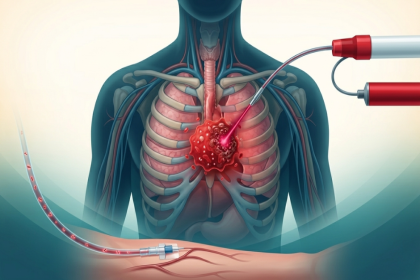
Insulin Potentiated Therapy (IPT) is an integrative oncology approach in which a small, carefully controlled dose of insulin is administered before low-dose chemotherapy. The idea behind IPT cancer treatment is to harness insulin's biological effects on cellular metabolism to enable chemotherapy drugs to be delivered at significantly reduced doses.

IPT is offered at certain specialist clinics in Germany as part of a personalised, multidisciplinary treatment plan, not as a stand-alone cure. It is typically considered alongside, or in support of, conventional oncology care.

Key points about insulin potentiation therapy:

  • It uses low-dose chemotherapy combined with insulin
  • It is delivered under continuous medical supervision
  • It forms part of a wider integrative treatment plan
  • Suitability is decided on a case-by-case basis after a full oncology evaluation

How Does IPT Therapy Work?

While protocols vary between clinics, IPT therapy generally follows this sequence under hospital conditions:

  1. Patient assessment - Blood work, imaging review, and oncology consultation.
  2. Insulin administration - A measured dose of insulin is given intravenously.
  3. Controlled metabolic window - Blood sugar is closely monitored as it lowers temporarily.
  4. Low-dose chemotherapy delivery - A reduced dose of chemotherapy is administered during this window.
  5. Glucose restoration and monitoring - Blood sugar is normalised, and the patient is observed throughout recovery.
  6. Supportive integrative care - Nutritional, immune, and wellness support follows each session.

This metabolic cancer therapy approach aims to deliver chemotherapy at lower doses than conventional protocols, which some patients and clinicians believe may help reduce side-effect burden. Clinical evidence remains limited, and IPT is not currently classified as standard-of-care oncology treatment.

Potential Benefits of IPT Therapy

Patients exploring integrative cancer treatment in Germany often consider IPT for reasons such as:

  • Lower chemotherapy doses compared with conventional regimens
  • A personalised oncology programme built around the individual
  • Supportive integrative care that focuses on overall well-being
  • Emphasis on quality-of-life considerations during treatment

These are potential considerations, not guaranteed outcomes. Results vary significantly based on cancer type, stage, overall health, and individual response.

IPT Therapy and Integrative Oncology

In Germany, IPT is rarely offered in isolation. It is usually part of a broader holistic cancer treatment plan that may include:

  • Nutritional support tailored to the patient
  • Immune-supportive therapies
  • Wellness and rehabilitation programmes
  • Mind-body therapies to support emotional health
  • Detoxification and supportive IV therapies where clinically indicated

This combination reflects the German philosophy of comprehensive, patient-centred oncology care.

Why Patients Travel to Germany for Cancer Treatment?

Germany is internationally recognised for precision cancer treatment, advanced diagnostics, and highly trained oncology specialists. Patients from across the world travel to German clinics because of:

  • Advanced imaging and molecular diagnostics
  • Multidisciplinary tumour boards for complex cases
  • A strong tradition of personalised, evidence-based medicine
  • Internationally accredited hospitals and cancer centres
  • Access to clinical research and modern therapeutic options

Access to Integrative Cancer Care

German oncology stands out for combining conventional and supportive therapies into a single coordinated treatment plan. For patients seeking integrative oncology in Germany, this means:

  • Comprehensive cancer treatment plans designed around the individual
  • Access to alternative and complementary supportive therapies under strict medical supervision
  • International standards of safety, hygiene, and patient care