Home Blogs Extracorporeal Hemoperfusion for Chronic Infections

Extracorporeal Hemoperfusion for Chronic Infections

Extracorporeal Hemoperfusion for Chronic Infections

Some infections do not resolve as they should. The antibiotics are prescribed, the course is completed, and yet something remains. The fatigue persists. The joint pain is still there. Neurological symptoms that appeared during the infection have not left. Many patients in this position find themselves passed between specialists, offered repeated antibiotic courses, and told their results look normal. Normal results and a normal life are not the same thing.

At GS Medical Services in Dubai, we coordinate access to Extracorporeal Haemoperfusion (EHP®) for patients with chronic infections through the authorised centre in Germany. We manage every aspect of the referral, coordination, logistics, and follow-up process, so that patients from the UAE, the Gulf region, and internationally can access this approach with proper clinical support.

Understanding Chronic Infections and Why They Are So Difficult to Clear

A chronic infection is one in which a pathogen persists in the body despite treatment, or in which the inflammatory and immune consequences of an infection continue long after the pathogen itself has been cleared. The distinction matters clinically because treatment strategies vary by scenario.

Standard antibiotics work well against acute infections. Chronic infections are a different problem. Several biological mechanisms allow pathogens to persist despite repeated treatment, such as:

  • Biofilm formation: Bacteria construct a protective matrix around themselves that dramatically reduces antibiotic penetration and shields them from immune cells.
  • Pathogen persistence: Certain organisms adopt dormant forms that are inherently resistant to antibiotic activity and can hide within tissues for extended periods.
  • Systemic toxic burden: Pathogens and the inflammatory processes they trigger release toxins and metabolic byproducts that accumulate in the bloodstream, driving fatigue, neurological symptoms, and organ stress.
  • Immune dysregulation: Chronic infections suppress and misdirect the immune response over time, creating persistent low-grade inflammation that damages healthy tissue even when pathogen load is reduced.
  • Tissue hypoxia: Chronic infection depletes oxygen in affected tissues, creating conditions in which pathogens thrive and the body's repair mechanisms are impaired

These factors explain why chronic infections resist conventional treatment, and why an approach that operates at the level of the blood and systemic environment is clinically relevant.

Standard Treatments and Their Limitations

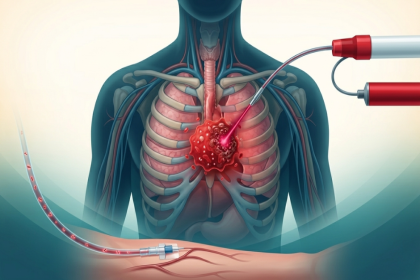
Extracorporeal Hemoperfusion (EHP) offers a different approach in chronic infections. By helping remove circulating toxins, inflammatory mediators, and immune-disrupting factors, it aims to reduce systemic burden and restore balance. However, it does not directly eradicate the pathogen; it modifies the internal environment that allows chronic infection to persist.

Treatment

Limitation

Prolonged antibiotic therapy

Limited biofilm penetration; does not clear systemic toxic burden; risks gut dysbiosis and resistance

Antiviral medications

Suppress viral replication, but do not address post-viral immune dysregulation

Anti-inflammatory medications

Manage symptoms; do not target the underlying infection or its biological drivers

Symptomatic management

Essential for quality of life; does not modify the course of chronic infection

EHP® does not replace standard treatments for chronic infections. It works alongside them, addressing systemic biological factors that conventional approaches do not fully reach.

How EHP® Works for Chronic Infections?

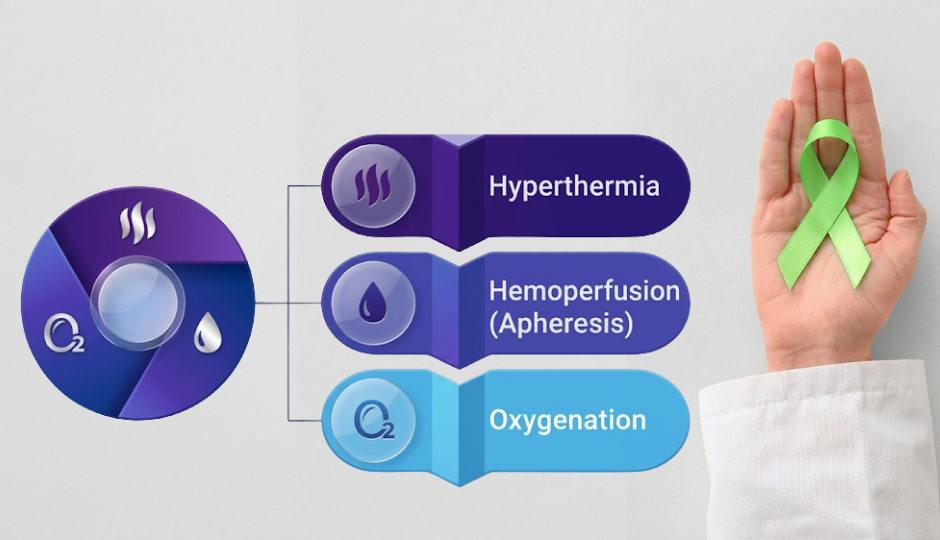
EHP® is a combined extracorporeal procedure that passes the patient's blood through a specialised external circuit where three distinct processes occur simultaneously.

  • Haemoperfusion passes blood through an adsorbent cartridge that removes pathogens, bacterial toxins, inflammatory mediators, and harmful byproducts from the bloodstream, directly reducing the systemic burden that chronic infection generates.
  • Hemo-hyperthermia heats the blood to a controlled 40-42°C as it moves through the circuit. Only the blood is heated, not the whole body. At this temperature range, heat-sensitive pathogens are directly damaged or killed.
  • Oxygenation substantially elevates tissue oxygen saturation in treated areas. Chronic infections deplete tissue oxygen, creating conditions in which pathogens thrive, and immune function is impaired. Restoring oxygenation reverses this, supports cellular repair, and promotes healthy tissue recovery.

Key Mechanisms in Chronic Infection

  • Direct pathogen elimination: Thermal damage at 40-42°C is bactericidal for certain heat-sensitive organisms.
  • Toxin and mediator clearance: The adsorbent cartridge removes bacterial endotoxins and pro-inflammatory cytokines from circulation. This can produce rapid improvements in fatigue, cognitive function, and pain driven by these circulating substances
  • Immune restoration: Removing immunosuppressive signals allows the immune system to resume more effective activity against residual pathogens
  • Disruption of hypoxic niches: Improved tissue oxygenation makes tissues less hospitable to persistent pathogens and supports the immune cells that require adequate oxygen to function

Important: EHP® is not a guaranteed cure for chronic infections. Outcomes vary between individuals depending on the specific pathogen, duration of infection, degree of systemic involvement, and individual biological response. GS Medical Services provides an honest assessment of what this treatment may and may not offer each patient.

What to Expect During EHP® Treatment in Germany?

A structured EHP® programme is designed specifically for international and regional patients. Every step is coordinated by a dedicated team.

Step 1: Comprehensive Medical Review and Eligibility Assessment

Your journey begins with a thorough evaluation to determine whether EHP® is appropriate for your specific situation:

  • Full review of your medical history, infection timeline, current medications, laboratory findings, and cardiovascular status
  • In-depth consultation with the medical team
  • Honest assessment of whether you are a suitable candidate, including a direct answer if the evidence does not support treatment in your case

Step 2: Personalised Treatment Planning

If assessed as a suitable candidate, a treatment protocol is developed around your specific circumstances:

  • Protocol tailored to the infecting organism, symptom severity, duration of illness, and overall health status
  • Clear explanation of the procedure, session frequency, and realistic outcome expectations
  • Transparent discussion of how EHP® fits alongside any existing antibiotic or antiviral treatment
  • Comprehensive logistics support, including travel arrangements and accommodation guidance for international patients

Step 3: The EHP® Procedure

Treatment is conducted by experienced, licensed physicians at the authorised EHP® centre:

  • Blood is accessed via standard venous access; no surgical intervention is required
  • Haemoperfusion, hemo-hyperthermia, and oxygenation run simultaneously through a single extracorporeal circuit
  • On an outpatient basis, most patients return to their accommodation the same day
  • Continuous vital sign monitoring throughout, with physician supervision at all times

Step 4: Structured Follow-Up and Progress Monitoring

Your care continues well beyond the treatment session:

  • Remote follow-up via secure telemedicine, no need to return to Germany for routine reviews
  • Progress evaluation using validated symptom measures and relevant laboratory markers
  • Personalised guidance on supporting recovery, including any ongoing antibiotic or antiviral therapy
  • Long-term monitoring to assess the durability of any clinical improvement
  • Direct access to the medical team throughout, for questions or concerns as they arise

Who May Be a Suitable Candidate for EHP®?

EHP® is not appropriate for every cancer patient. Based on current clinical evidence, those most likely to benefit typically share the following profile:

  • Confirmed or clinically suspected chronic infection, including Lyme disease, post-sepsis syndrome, or treatment-resistant bacterial infection, with persistent symptoms despite conventional treatment
  • Ongoing fatigue, joint pain, neurological involvement, or cognitive impairment attributable to chronic infection or its inflammatory aftermath
  • Adequate cardiovascular function to tolerate extracorporeal blood processing
  • No active uncontrolled bleeding, critical anaemia, or significant cardiac insufficiency
  • Realistic expectations and willingness to continue appropriate conventional treatment alongside EHP®

Potential Benefits of EHP® for Chronic Infections

Based on clinical outcomes and published research into the component mechanisms, EHP® for chronic infections may offer the following benefits.

  • Reduced pathogen burden: Direct thermal damage to heat-sensitive organisms may reduce active pathogen load where antibiotics have not
  • Rapid symptom improvement: Clearance of toxins and inflammatory mediators can produce improvements in fatigue, cognition, and pain that precede full resolution of the underlying infection
  • Restored immune function: Removing immunosuppressive signals allows the body's defences to re-engage more effectively
  • Reduced systemic inflammation: Lower circulating cytokine levels translate to reduced joint pain, neurological symptoms, and fatigue
  • Improved quality of life: Patients with long-standing chronic infections report meaningful improvements in daily function and cognitive clarity following EHP®

Clinical data have documented favourable outcomes in patients with Lyme disease and other chronic infections. GS Medical Services works exclusively with clinics that follow evidence-informed treatment protocols.

Potential Side Effects and Risks of EHP® for Chronic Infections

Like any extracorporeal blood procedure, it carries risks that will be discussed in full during your consultation.

Common (typically mild and temporary):

  • Fatigue for 24 to 48 hours following treatment
  • Mild headache or lightheadedness
  • Minor discomfort at the venous access site
  • Transient drop in blood pressure during the procedure, managed by the supervising physician

Rare but serious:

  • Haemodynamic instability in patients with compromised cardiovascular function
  • Infection at the access site is uncommon when protocols are properly followed
  • Adverse reaction to circuit components
  • Clotting within the circuit is managed with anticoagulation protocols

EHP® is contraindicated in patients with severe active bleeding, critical anaemia, or significant cardiac insufficiency. All are identified during pre-procedure screening.
Post-Treatment Guidance: All patients receive comprehensive post-treatment instructions, including rest and hydration recommendations, guidance on continuing existing antibiotic or antiviral regimens, and warning signs requiring immediate attention.

Why Choose GS Medical Services for EHP®?

There is no shortage of clinics offering adjunctive therapies for chronic infections. What is harder to find is a coordination partner with direct access to a regulated, authorised facility, and one that will tell you honestly whether you are a suitable candidate before you commit to anything. Here’s what we offer:

  • Personalised Treatment Plans: Chronic infections present very differently between patients. Your protocol is built around your specific organism, symptom profile, illness duration, and current treatment, not a standard package.
  • Compassionate & Expert Care: Many patients with chronic infections have been told their results are normal or that nothing more can be done. Our team understands that history. Consultations are direct, unhurried, and honest.
  • International Patient Support: Scheduling, documentation, clinic communication, and accommodation guidance, all handled so your focus stays on getting better.
  • Transparency & Honest Guidance: If your case does not meet the criteria for EHP®, we say so at the consultation, not after you have committed time and resources.
  • Continuity of Care: Structured telemedicine follow-up and ongoing access to the medical team continue well after you return home.

Request a Personalised EHP® Assessment for Chronic Infections

If you have been living with a chronic infection that has not responded adequately to conventional treatment, a comprehensive medical evaluation is a sensible next step. You may consult Dr. Med. Gerhard Siebenhüner for an expert assessment and personalised guidance.

Your initial consultation covers:

  • Confidential review of your medical records, infection history, and previous treatment outcomes
  • Straight assessment of whether EHP® is appropriate for your specific condition
  • Grounded conversation about realistic outcomes, risks, and what the process involves practically
  • Complete pricing breakdown upfront, with no hidden costs
  • As much time as you need to ask questions

Proceeding after the consultation is entirely your decision.

Frequently Asked Questions

What types of chronic infections can EHP® treat? 

It can be used for Lyme disease, post-sepsis syndrome, chronic UTIs, and other treatment-resistant bacterial infections. Suitability depends on the specific organism, duration of infection, and individual health.

How does EHP® differ from long-term antibiotic therapy? 

Antibiotics target the pathogen directly but cannot clear systemic toxic burden, penetrate biofilm effectively, or restore immune function. EHP® addresses the broader biological environment, removing toxins and pathogens from the bloodstream, applying direct thermal damage to heat-sensitive organisms, and restoring tissue oxygenation. 

Can EHP® be used alongside antibiotics? 

In most cases, yes. EHP® complements rather than replaces antibiotic therapy. The combination is often more effective than either approach alone, and the timing is planned during the treatment protocol phase.

How long does each EHP® session take?

Each session typically lasts 3 to 5 hours, including preparation, treatment, and post-procedure monitoring. Most patients can return to their accommodation on the same day.

How is EHP® regulated in Germany? 

EHP® is classified as a medical procedure and must comply with Germany's national medical and safety standards. Treatment is performed exclusively at the authorised centre, under qualified physician supervision, following an individual medical evaluation.

How much does EHP® for chronic infections cost? 

Costs vary depending on the number of sessions and your treatment protocol. Transparent, itemised pricing is provided following your medical assessment. There are no hidden charges.

Medical Disclaimer

The information provided on this page is for educational and informational purposes only and should not be construed as medical advice. EHP® outcomes vary between individuals, and treatment may not be suitable for everyone. Always consult a qualified medical professional before making decisions about your health.