Home Find Hospital
Stem Cell Therapy
When conventional medicine no longer offers new answers, many patients exploring stem cell therapy in Dubai or stem cell treatment in the UAE begin asking a different question: how to access treatment safely, transparently, and under proper medical supervision.
GS Medical Services is a Dubai-based medical coordination company that connects patients from the UAE, the Gulf region, and internationally with specialist mesenchymal stem cell (MSC) therapy at certified clinics in Germany. We offer a structured, transparent route to evidence-informed regenerative treatment, managed from the first consultation through long-term follow-up.
What is Stem Cell Therapy?
Stem cell therapy uses the biological properties of stem cells to influence processes such as tissue repair, immune regulation, and inflammation. Rather than targeting symptoms directly, it works at the cellular level, engaging with some of the underlying biological mechanisms that drive certain conditions.
Stem cells are undifferentiated cells with the capacity to develop into more specialised cell types and to release bioactive signalling molecules that influence the behaviour of surrounding cells. This signalling function, known as paracrine activity, is thought to account for much of the therapeutic effect observed in clinical research, rather than direct cell replacement.
What Types of Stem Cells Are Used in Therapy?
There are several stem cell types used in clinical and research settings:
- Mesenchymal stem cells (MSCs): Derived from bone marrow, adipose tissue, umbilical cord, or placenta. They are well-studied for their anti-inflammatory and immunomodulatory properties.
- Induced pluripotent stem cells (iPSCs): Adult cells reprogrammed to a stem cell-like state. Currently used primarily in research settings
- Embryonic stem cells: Capable of differentiating into any cell type, but subject to significant ethical and regulatory restrictions; rarely used in clinical practice
The choice of Stem cells depends on the patient’s condition and the clinic’s protocol. The programmes GS Medical Services coordinates use allogeneic MSCs, sourced from ethically approved donors and processed under GMP-standard laboratory conditions in Germany.
Mechanism of Action of Mesenchymal Stem Cells (MSCs)
MSCs influence the biological environment in which disease or injury occurs through several mechanisms:
- Paracrine signalling: MSCs release growth factors, cytokines, and other bioactive molecules that instruct surrounding cells to reduce inflammatory activity, promote repair, and support tissue integrity. This is the primary mechanism of action, rather than direct cell replacement
- Immunomodulation: MSCs have demonstrated the ability to suppress overactive immune responses and promote regulatory immune activity, relevant in autoimmune and chronic inflammatory conditions
- Anti-inflammatory activity: MSCs reduce the production of pro-inflammatory signalling proteins, including TNF-alpha and IL-6, which drive tissue damage in many chronic conditions
- Angiogenesis support: MSCs can promote the formation of new blood vessels in damaged tissue, improving oxygen and nutrient delivery
- Neuroprotection: In neurological conditions, MSC-derived growth factors, including BDNF and NGF, support the survival of existing neurons and the formation of new neural connections
- Tissue regeneration support: In orthopaedic and musculoskeletal conditions, MSCs secrete factors that support cartilage matrix production, reduce synovial inflammation, and promote the repair of damaged joint tissue
It is important to note that the mechanisms and degree of effect vary depending on the condition being treated, the method of administration, and individual biological response.
What Conditions Is Stem Cell Therapy Being Used For?
MSC therapy is being studied and applied across a range of conditions. GS Medical Services coordinates treatment evaluations for patients across the following categories. A diagnosis alone does not determine suitability; candidacy is assessed on a case-by-case basis based on disease severity, overall health, and current treatment.
- Neurological Conditions: Stroke recovery, multiple sclerosis (MS), Parkinson's disease, Alzheimer's disease, autism spectrum disorder (ASD), spinal cord injuries, traumatic brain injury (TBI)
- Orthopaedic and Musculoskeletal Conditions: Osteoarthritis of the knee, hip, and shoulder; cartilage damage; tendon and ligament injuries; chronic joint and back pain
- Autoimmune Conditions: Rheumatoid arthritis, lupus (SLE), Crohn's disease, inflammatory bowel disease, type 1 diabetes, psoriasis, scleroderma
- Genetic and Degenerative Conditions: Muscular dystrophy, sickle cell disease, cystic fibrosis, spinal muscular atrophy (SMA)
- Other Conditions: COPD, liver cirrhosis, chronic kidney disease, heart failure recovery, optic nerve atrophy
According to the National Institutes of Health (NIH), over 1,000 clinical trials worldwide are currently investigating stem cell therapy across chronic and degenerative conditions, reflecting the breadth of ongoing scientific interest and the developing evidence base.
How Is Stem Cell Therapy Performed?
Stem cell therapy involves multiple clinical and laboratory steps designed to ensure safety and biological viability:
Step 1: Medical Evaluation and Candidacy Assessment
Your medical records, diagnosis history, current medications, and previous treatment outcomes are reviewed in detail by our medical team. The goal is to determine honestly whether stem cell therapy is likely to help your specific condition and health profile. If it is not, you will be told that directly at this stage.
Step 2: Personalised Treatment Protocol
For suitable candidates, a fully individualised treatment plan is developed. This covers the most appropriate administration method, the number and frequency of sessions, whether PAPIMI and BEMER support are indicated, and how the protocol fits alongside any existing treatment. No standard packages. Every plan is built around your specific case.
Step 3: Treatment in Germany
MSC therapy is administered at certified clinics in Germany by experienced, licensed physicians. Depending on the condition and protocol, stem cells are delivered intravenously, via targeted injection, or in combination. The procedure is minimally invasive and conducted on an outpatient basis in most cases. Most patients return to their accommodation the same day. Sessions typically take 2-4 hours, including preparation and post-procedure monitoring.
Step 4: Follow-Up and Ongoing Support
Care continues after treatment through structured telemedicine follow-up. Progress is assessed using relevant clinical outcome measures. Rehabilitation guidance is provided where appropriate. The medical team remains accessible throughout recovery; there is no point at which you are simply discharged and left to manage on your own.
Who Is a Candidate for Stem Cell Therapy?
Candidacy is not determined by diagnosis alone. Each case is assessed individually based on the following criteria:
- Confirmed diagnosis with ongoing symptoms or functional decline despite conventional treatment
- Some residual tissue or organ function remaining, advanced but not end-stage disease
- Adequate overall health to tolerate the procedure safely
- No active malignancy or uncontrolled systemic infection at the time of assessment
- Realistic expectations about what treatment may and may not offer
- Willingness to continue appropriate conventional treatment alongside MSC therapy
Candidacy is confirmed through a medical evaluation covering diagnosis, imaging, laboratory findings, and treatment history. If a patient is not suitable, this is communicated directly before any treatment commitment is made.
What Are the Potential Benefits of Stem Cell Therapy?
Based on current clinical research, MSC therapy has demonstrated potential for:
- Reduction in chronic inflammatory activity
- Slowing of disease progression in certain degenerative conditions
- Improvements in motor, cognitive, and functional outcomes in neurological conditions
- Reduced frequency of acute events in conditions such as sickle cell disease
- Improvements in pain and joint function in orthopaedic conditions
It is equally important to be clear about what stem cell therapy is not:
- It is not a cure for the conditions it is used to treat
- It does not correct underlying genetic mutations in conditions such as cystic fibrosis or sickle cell disease
- Outcomes are not predictable or guaranteed and vary considerably between individuals
- Not every patient with a given condition is a suitable candidate
The evidence base is still developing for many indications, and GS Medical Services works with clinics that follow evidence-informed protocols rather than experimental or unregulated approaches.
What Are the Potential Side Effects of Stem Cell Therapy?
MSC therapy has a documented safety profile when administered by qualified physicians in appropriate clinical settings. Side effects are typically mild and short-lived:
Common - mild and temporary:
- Fatigue for 24 to 48 hours following treatment
- Low-grade fever for the first 1 to 2 days
- Mild discomfort or bruising at the administration site
- Temporary increase in symptoms during the first 1 to 2 weeks in some patients
Rare but serious:
- Infection at the injection site is uncommon when clinical protocols are properly followed
- Allergic reaction to procedure components
- Thromboembolic events are very rare cases
All patients undergo pre-procedure screening to identify and manage relevant risk factors before treatment begins.
Why Choose GS Medical Services?
Families exploring stem cell therapy in Dubai and internationally have usually spent years within a system that offers management but not answers. Finding a coordination partner who is honest about what a treatment can and cannot do, and who handles the complexity of accessing specialist care abroad, makes a genuine difference. What distinguishes GS Medical Services is straightforward:
- Honest Candidacy Assessment: If stem cell therapy is unlikely to help your specific situation, we say so at the first consultation, not after you have committed time and resources to the process.
- German Clinical Standards: All treatment is delivered through certified clinics operating under Germany's national medical regulations, with evidence-informed, physician-led protocols.
- Personalised Treatment Plans: Every protocol is built around your specific diagnosis, disease stage, current treatment, and realistic goals. No standard packages applied across the board.
- Supportive Technology Integration: PAPIMI and BEMER therapy are integrated into treatment protocols where indicated, enhancing cell migration, improving microcirculation, and supporting the conditions for the best possible outcomes.
- End-to-End International Support: From medical evaluation to structured post-treatment follow-up, everything is coordinated, including appointments, documentation, logistics, and telemedicine monitoring after you return home.
- Continuity of Care: The relationship with our medical team does not end when you board the flight home. Structured follow-up, progress monitoring, and direct access to the team continue throughout your recovery.
Request a Personalised Stem Cell Therapy Assessment
If you are considering stem cell therapy in Dubai or exploring stem cell treatment options from the UAE, the first step is a comprehensive medical evaluation to determine whether this approach is appropriate for your individual situation.
Through structured stem cell coordination in Dubai, patients can access expert review and guidance from experienced physicians specialising in evidence-based regenerative medicine in Germany.
Your Initial Consultation Includes:
- Confidential review of your medical records and treatment history
- Honest assessment of your suitability for MSC therapy
- Clear discussion of potential benefits, risks, and expected outcomes
- Detailed explanation of the treatment process, timeline, and logistics
- Transparent overview of costs for stem cell therapy in Germany
- Opportunity to ask questions and address any concerns
There is no obligation to proceed following the consultation. The objective is to help you make an informed decision based on medical evidence, realistic expectations, and your overall health profile.
Frequently Asked Questions
- How many sessions of stem cell therapy are needed?
This depends on the condition being treated and the individual's response. The protocol is reviewed as progress becomes clear, rather than being rigidly fixed in advance.
- How is stem cell therapy administered?
Depending on the protocol, stem cells may be delivered intravenously or through targeted injections under medical supervision.
- Is stem cell therapy safe?
When performed in regulated settings, MSC therapy in UAE and internationally has a strong safety profile with mostly mild, temporary side effects.
- How much does stem cell therapy cost in Germany?
Costs vary depending on the condition, the treatment protocol, and the number of sessions required. Transparent, itemised pricing is provided following your medical evaluation. There are no hidden charges.
- How is stem cell therapy regulated in Germany?
In Germany, stem cell therapies are strictly regulated and must comply with national medical and safety standards. Treatment is performed in licensed clinical settings under the supervision of a qualified physician, following an individual medical evaluation.
| Filter by Hospital | |
| Filter by Doctor |
By Locations
Rating

 Germany ,
Frankfurt am Main
Germany ,
Frankfurt am Main
The Center for Advanced Medicine in Frankfurt am Main has over 40 years of experience in integrative and holistic healthcare. The clinic combines conventional medicine with alternative biological therapies and naturopathy to treat cancer and chronic diseases.
 Germany ,
Dusseldorf
Germany ,
Dusseldorf
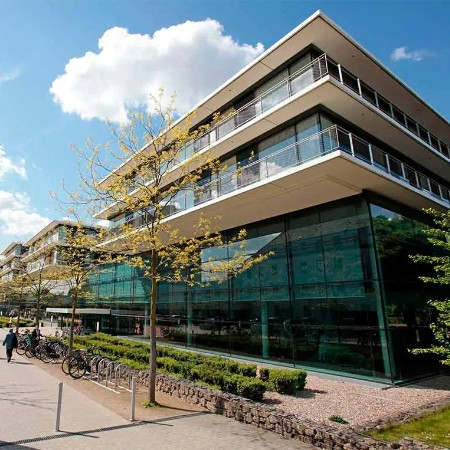
University Hospital Duesseldorf is one of Germany’s leading academic medical centers, known for its expertise in oncology, hematology, immunotherapy, and interventional medicine. The hospital provides advanced diagnostics and specialized treatments through close collaboration between experienced multidisciplinary teams, caring for both national and international patients.