Home Find Hospital
Dendritic Cell Therapy (DCT)
When conventional medicine no longer offers new answers, many patients exploring dendritic cell therapy in Dubai or dendritic cell therapy in UAE begin asking a different question: how to access treatment safely, transparently, and under proper medical supervision.
For patients who have moved through standard oncology pathways without achieving the outcomes they hoped for, dendritic cell therapy represents a scientifically grounded, immune-based approach that a growing number of cancer specialists are incorporating into complex treatment plans.
GS Medical Services connects patients from the UAE and the wider Gulf region with specialist dendritic cell therapy programmes at certified clinics in Germany, and manages the full process from initial medical evaluation through to structured post-treatment follow-up.
What is Dendritic Cell Therapy?
Dendritic cell therapy (DCT) is a form of personalised cancer immunotherapy. Rather than targeting tumour cells directly, as chemotherapy and radiation do, DCT works by training the patient's own immune system to identify and respond to cancer-specific markers.
Dendritic cells are a specialised type of immune cell whose primary biological function is antigen presentation: they detect foreign or abnormal signals in the body and instruct T-cells to mount a targeted immune response. In the context of cancer, this function is often suppressed or bypassed. DCT is designed to restore and amplify it.
The therapy is sometimes referred to as a dendritic cell vaccine, because the process involves manufacturing a patient-specific preparation outside the body and reintroducing it to stimulate immune recognition of the tumour.
Mechanism of Action of Dendritic Cell Therapy
For patients exploring dendritic cell therapy in Dubai or seeking cancer immunotherapy options from the UAE, understanding how DCT works at a biological level helps set realistic expectations about what the treatment is designed to achieve.
- Immune evasion bypass: Cancer suppresses the immune system's ability to detect tumour cells. DCT is designed to restore and redirect that detection capability using the patient's own immune cells.
- Antigen presentation: Dendritic cells are isolated, loaded with tumour-specific antigens in a GMP laboratory, and reintroduced into the body, where they migrate to lymph nodes and activate T-cells to recognise and attack the tumour.
- Dual T-cell activation: This triggers both cytotoxic CD8+ T-cells, which destroy tumour cells, and CD4+ helper T-cells, which amplify and sustain the immune response.
- Immune memory: DCT generates memory T-cells that persist after treatment, providing long-term surveillance against tumour recurrence, a mechanism chemotherapy and radiation do not offer.
- Combination synergy: DCT pairs well with checkpoint inhibitors, which prevent tumours from suppressing the T-cell response that DCT initiates, making combination protocols a common approach in advanced oncology settings.
Which Conditions Is Dendritic Cell Therapy Used For?
Dendritic cell therapy is most established in oncology. It is used across a range of solid tumours and haematological cancers, and is increasingly being studied in combination with checkpoint inhibitors, chemotherapy, and radiotherapy
- Solid tumours: Prostate cancer, breast cancer, lung cancer, colorectal cancer, pancreatic cancer, melanoma, glioblastoma, bladder cancer, renal cell carcinoma, ovarian cancer.
- Haematological cancers: Leukaemia, lymphoma, multiple myeloma.
Prostate cancer has the longest regulatory history with this therapy: sipuleucel-T (Provenge) received FDA approval for metastatic castration-resistant prostate cancer in 2010. For other tumour types, DCT is used within integrative oncology frameworks, often alongside standard treatments, rather than as a standalone protocol.
Dendritic Cell Therapy Procedure
The DCT process is structured across several clinical and laboratory stages.
Step 1:Cell Collection
A sample of the patient's blood is collected, and monocytes are isolated via leukapheresis. These are the precursor cells from which dendritic cells are derived.
Step 2: Laboratory Processing and Antigen Loading
In a certified GMP-standard laboratory, monocytes are matured into functional dendritic cells. They are then exposed to tumour-specific antigens, derived from the patient's own tumour tissue, peptides, lysates, or mRNA, so that the immune cells learn to recognise the cancer's distinct molecular signature.
Step 3: Maturation and Activation
Additional stimuli are applied to ensure the dendritic cells reach full functional maturity, optimising their ability to present antigens effectively to T-cells once reintroduced.
Step 4: Reinfusion
The activated dendritic cells are administered back to the patient, typically subcutaneously or intradermally. This prompts T-cell activation directed against tumour-associated markers.
Step 5: Monitoring and Follow-up
Treatment response is tracked through blood markers and imaging. Cycles and protocols are adjusted based on clinical findings.
Who Is a Candidate for Dendritic Cell Therapy?
Candidacy for dendritic cell therapy is assessed individually, not based solely on diagnosis category. Factors that influence suitability include:
- Confirmed oncological diagnosis with histological or imaging documentation
- Residual immune function adequate to generate a response to the vaccine
- Overall health stable enough to tolerate the procedure
- No active uncontrolled systemic infection at the time of assessment
- Realistic understanding of what DCT may and may not offer
- Willingness to continue appropriate conventional treatment in parallel
If a patient is not a suitable candidate following medical evaluation, this is communicated clearly before any treatment commitment is made.
Potential Benefits of Dendritic Cell Therapy
Based on current clinical evidence, DCT offers several properties that distinguish it from conventional oncology treatments.
- Immune memory activation: DCT stimulates memory T-cells, which may support ongoing immune surveillance beyond the active treatment period.
- Tolerability: Side effects are generally mild compared with those of chemotherapy and radiation. The most commonly reported are flu-like symptoms, fatigue, and localised injection-site reactions. Rare adverse events include immune-mediated inflammatory responses and systemic allergic reactions.
- Combination potential: DCT has been used in combination with checkpoint inhibitors, regional chemotherapy, and radiotherapy. Some protocols use it to improve the immunological conditions for other treatments, rather than as a sole intervention.
- Clinical outcomes: vary considerably depending on tumour type, stage, and individual immune response. Reported response rates in published studies range from 10% to 65% across different indications, underscoring the importance of proper patient selection and realistic expectation-setting before treatment begins.
Since the therapy uses the patient's own cells, the risk of rejection or serious systemic toxicity is substantially lower than with many conventional oncology treatments. All patients undergo pre-treatment assessment to identify relevant risk factors before any procedure begins.
Risk Factors of Dendritic Cell Therapy
When produced and administered in regulated clinical settings, dendritic cell therapy has a well-documented tolerability profile.
Common and typically temporary:
- Flu-like symptoms (fever, chills) for 24-48 hours
- Fatigue or mild headache following infusion
- Localised redness or swelling at the injection site
Rare:
- Immune-mediated inflammatory reactions
- Systemic allergic responses
All patients undergo pre-treatment assessment to identify relevant risk factors before any procedure begins. Since the therapy uses the patient's own cells, the risk of rejection or serious systemic toxicity is substantially lower than with many conventional oncology treatments.
Why Choose GS Medical Services for Dendritic Cell Therapy?
Patients and families exploring dendritic cell therapy in UAE, in the Gulf region and internationally have often spent considerable time within systems that offer management but not progress. Finding a coordination partner who is honest about what a treatment can and cannot do, and who handles the practical complexity of accessing specialist care abroad, makes a meaningful difference.
- Honest Candidacy Assessment: If dendritic cell therapy is unlikely to help your specific situation, we say so at the first consultation, not after you have committed time and resources to the process.
- German Clinical Standards: All treatment is delivered through certified clinics operating under Germany's national medical regulations, with evidence-informed, physician-led protocols.
- Personalised Treatment Plans: Every protocol is built around your specific diagnosis, disease stage, current treatment, and realistic goals. No standard packages applied across the board.
- End-to-End International Support: From medical evaluation to structured post-treatment follow-up, everything is coordinated, including appointments, documentation, medical translation, travel logistics, and telemedicine monitoring after you return home to the UAE.
- Continuity of Care: The relationship with our medical team does not end when you board the flight home. Structured follow-up, progress monitoring, and direct access to the clinical team continue throughout your recovery.
Request a Personalised Dendritic Cell Therapy Assessment
If you are exploring dendritic cell therapy in Dubai or considering cancer immunotherapy options from the UAE, the first step is a comprehensive medical evaluation to determine whether this approach is appropriate for your individual situation. You may consult Dr. Med. Gerhard Siebenhüner for an expert assessment and personalised treatment guidance.
Through structured treatment coordination in Dubai, patients can access expert review and guidance from experienced physicians specialising in evidence-based cancer immunotherapy in Germany.
Your initial consultation includes:
- Confidential review of your medical records and oncology treatment history
- Honest assessment of your suitability for dendritic cell therapy
- Clear discussion of potential benefits, risks, and realistic expected outcomes
- Detailed explanation of the DCT process, treatment timeline, and logistics
- Transparent overview of dendritic cell therapy costs in Germany
- Opportunity to ask questions and address any concerns directly
There is no obligation to proceed following the consultation. The objective is to help you make an informed decision based on medical evidence, realistic expectations, and your overall health profile.
Frequently Asked Questions
1. How much does dendritic cell therapy cost in Germany?
The cost of dendritic cell therapy depends on cancer type, protocol complexity, the number of cycles required, and which diagnostics are included. A transparent, itemised cost breakdown is provided following medical evaluation.
2. How is dendritic cell therapy regulated in Germany? In Germany, DCT falls under the regulatory framework for advanced therapy medicinal products (ATMPs). Treatment is administered by licensed physicians within authorised clinical settings following individual patient assessment.
3. How many treatment cycles are typically needed?
This varies by cancer type, protocol, and individual immune response. The protocol is reviewed and adjusted as the immune response develops. There is no single standard number of cycles that applies universally.
4. Can DCT be combined with other cancer treatments?
Yes. Dendritic cell therapy is frequently used in combination with checkpoint inhibitors, targeted therapy, regional chemotherapy, or radiotherapy.
5. What is the difference between dendritic cell therapy and CAR-T cell therapy?
CAR-T involves genetically modifying T-cells to directly attack tumour cells. DCT works earlier in the immune process, training dendritic cells to present tumour antigens so the immune system generates a targeted T-cell response. DCT is generally less invasive and carries a lower risk profile than CAR-T therapy.
| Filter by Hospital | |
| Filter by Doctor |
By Locations
Rating

 Germany ,
Frankfurt am Main
Germany ,
Frankfurt am Main
The Center for Advanced Medicine in Frankfurt am Main has over 40 years of experience in integrative and holistic healthcare. The clinic combines conventional medicine with alternative biological therapies and naturopathy to treat cancer and chronic diseases.
 Germany ,
Dusseldorf
Germany ,
Dusseldorf
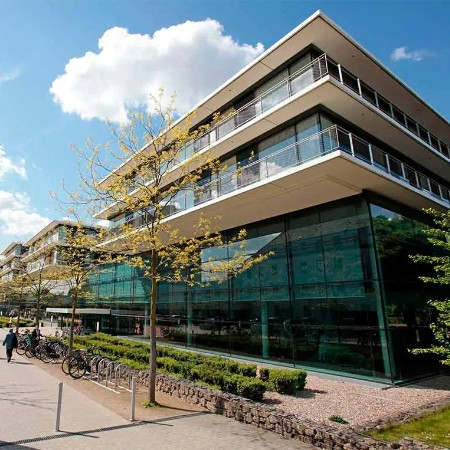
University Hospital Duesseldorf is one of Germany’s leading academic medical centers, known for its expertise in oncology, hematology, immunotherapy, and interventional medicine. The hospital provides advanced diagnostics and specialized treatments through close collaboration between experienced multidisciplinary teams, caring for both national and international patients.